


2023-2024 Mentorship Program
Program Details
MENTORSHIP
Public
6/28/20249 min read
Introduction
The 2023-24 Mentorship Program marked a meaningful milestone for EdQuity Hong Kong, as it was the first year we established mentorship as an independent program, no longer paired with discussion-based learning sessions, but fully dedicated to nurturing trusting, supportive relationships between primary school mentees and their secondary school mentors.
This shift reflects a pressing need in Hong Kong: amid intense academic pressure, limited whole-person development in schools, and a concerning rise in youth suicide rates, many children feel overwhelmed, unseen, and alone. Our Mentorship Program was created in direct response to this reality.
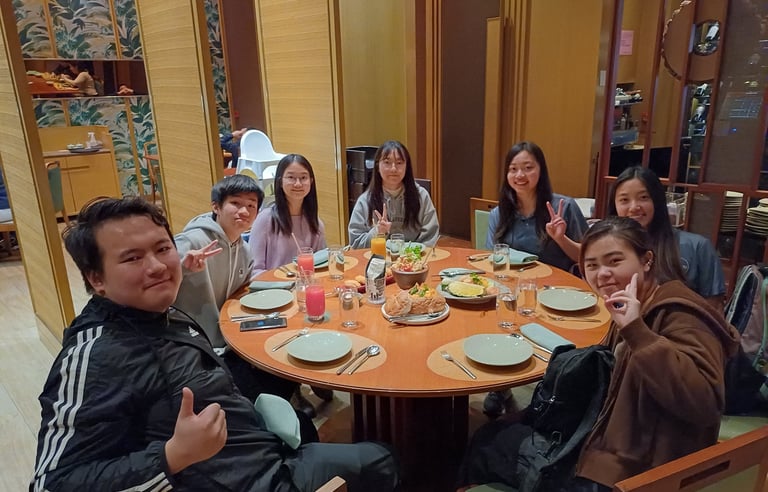
From August 2023 to June 2024, each mentee was paired with a dedicated mentor who met with them weekly throughout the academic year. These weekly sessions offered not only academic support but also companionship, emotional encouragement, and a safe space where young students could express themselves freely. Alongside regular mentoring, a series of bonding activities spanning summer, Christmas, Easter, and the closing ceremony strengthened relationships and enriched the overall experience.
Mentors walked alongside their mentees as steady, caring role models, helping them grow not only academically but as whole persons. At its heart, the program aimed to ensure that every child knew they were valued, supported, and never walking their journey alone.
Venue & Dates
The program ran from 26 August 2023 to 28 June 2024, covering the entire academic year through weekly meetings and bonding activities held across multiple venues in Hong Kong.
Weekly Meetings
Throughout the year, mentors met their mentees weekly either in person or online, depending on what best supported the mentee’s needs. In-person meetings took place in public study spaces, the Mongkok Kai-fong Association Chan Hing Social Service Center, or the mentee’s home. Online meetings were held over Zoom or Google Meet.
Bonding Activities
Our program features milestone events that helped strengthen mentor-mentee relationships. All bonding activities, except the Christmas Outing (held at Maritime Square, Tsing Yi), were held at the Mong Kok Kai Fong Association Chan Hing Social Service Center.
Summer Bonding Day 1 (26 August 2023)
Summer Bonding Day 2 (2 September 2023, cancelled due to typhoon)
Summer Bonding Day 3: (9 September 2023)
Summer Bonding Day 4: (16 September 2023)
Christmas Outing:(30 December 2023)
Easter Board Game Day: (6 April 2024)
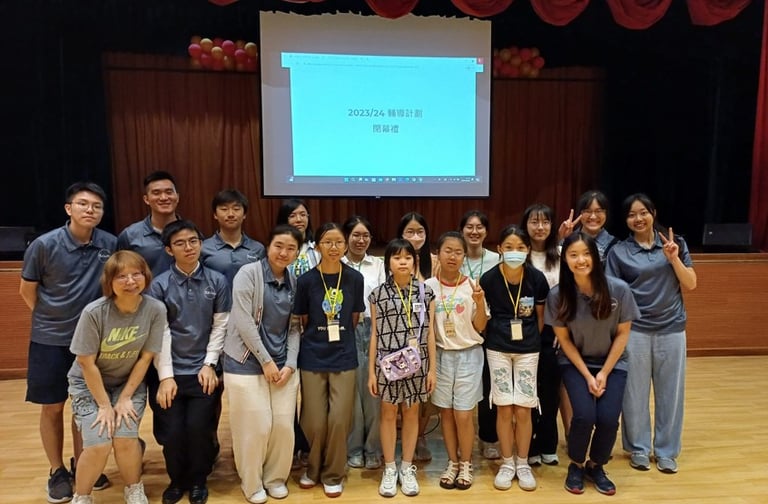
Closing Ceremony: (28 June 2024)
These events created a rhythm of connection throughout the year, giving mentors and mentees structured opportunities to meet, learn, and grow together.
Participants
The program brought together 14 primary school students (Primary 4-6) and 15 secondary school mentors (Secondary 4 to University Year 4), forming supportive one-on-one pairs that journeyed together throughout the academic year. Together, these pairs formed the heart of the program, creating a caring, stable environment where mentees received the support they needed, and mentors grew into empathetic young leaders.
Program Structure
The structure of the 2023/24 Mentorship Program combined weekly one-on-one mentoring with thematic bonding activities that helped build strong, positive mentor-mentee relationships.
Weekly Mentoring Sessions
Throughout the academic year, mentors met their mentees weekly to support:
Homework completion
Subject revision
Reading, writing, and general academic skills
Personal growth and confidence
Goal-setting
Social and emotional wellbeing
These consistent sessions formed the backbone of the program and provided continuity in the mentees’ learning experience.
Summer Bonding Activities
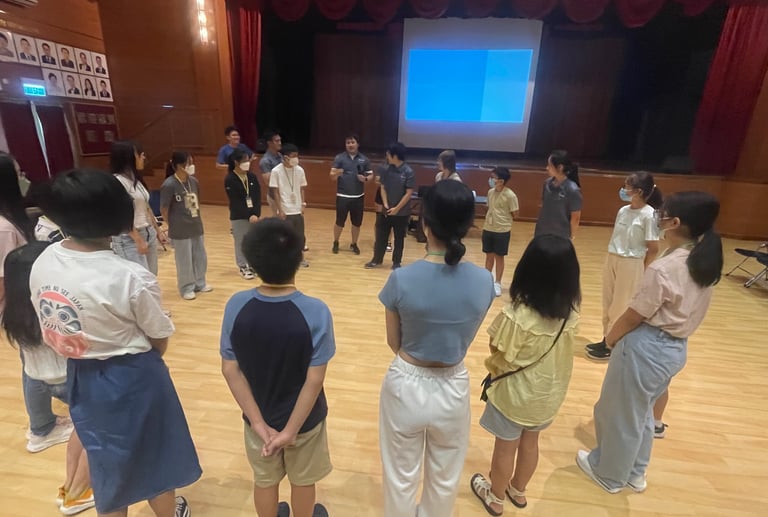
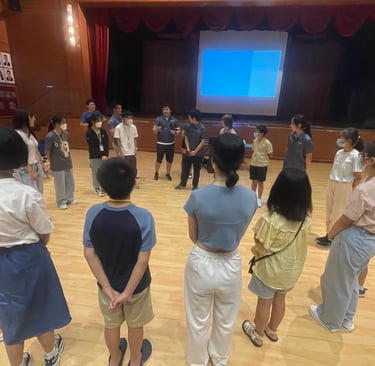
Ice Breaker (26/8): Team Activities, games, reflection tasks
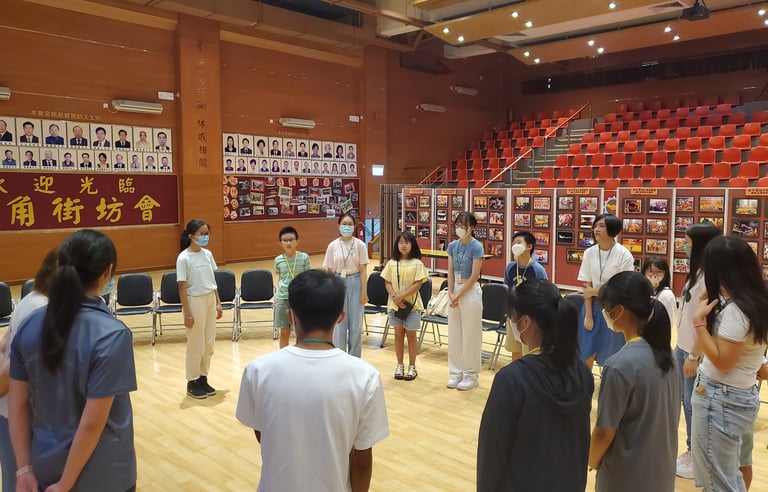
On the first day, mentors and mentees participated in a variety of team-based games and interactive “getting to know you” tasks. These included icebreakers: pairs shared fun facts about themselves, worked together on simple challenges or games, and collaborated to solve puzzles. After these, they used a “reflection worksheet” to think about what they learned, what surprised them about each other, what strengths they noticed in teammates, how they felt working together, and what they hoped to get out of the mentorship.
By working together in low-pressure, fun settings, mentors and mentees built early trust and rapport. The playful, shared experience helped break down initial awkwardness and made it easier to relate personally. The reflection tasks encouraged mutual vulnerability and honest sharing: mentees could articulate their expectations, fears, or hopes; mentors could model openness and empathy. That early reflective conversation helped set a foundation for a mentoring relationship grounded in understanding and mutual respect. As participants learned about each other’s personalities, communication styles, and strengths, mentors became better able to tailor support to individual mentees; mentees began to feel seen, understood, and supported.
Society Game (planned 9/2, cancelled):
Although Day 2’s Society Game was ultimately cancelled due to the typhoon, the activity itself was carefully designed and the reflection questions revealed what students would have explored about fairness, decision-making, inequality, and the meaning of a “good life.” Even without playing, these questions highlight the powerful learning goals behind the activity. The questions show how powerful the experience could have been. They remind us that reflection itself, questioning what we value and why, is already a meaningful learning moment.
Neighboring (9/9):
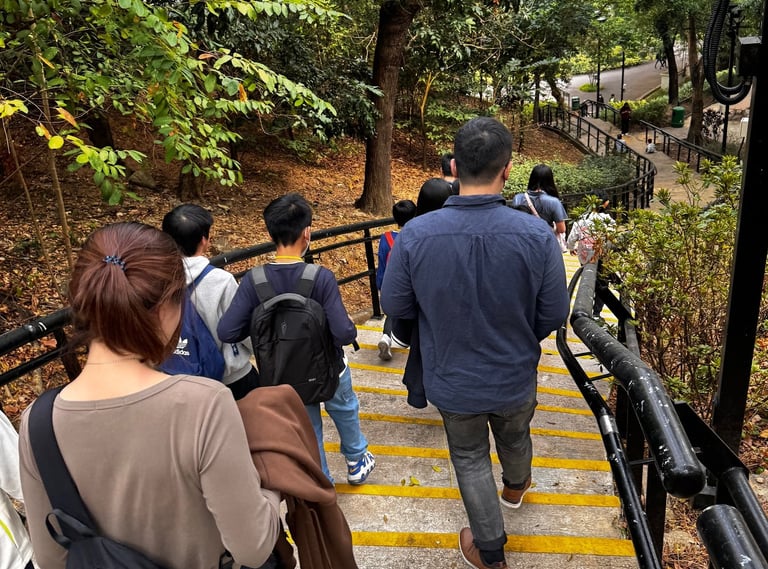
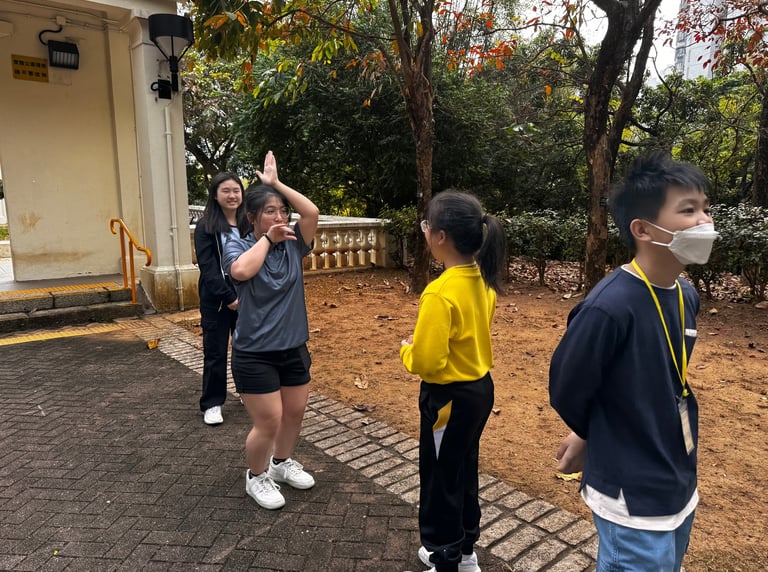
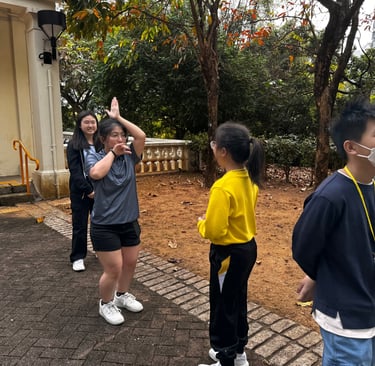
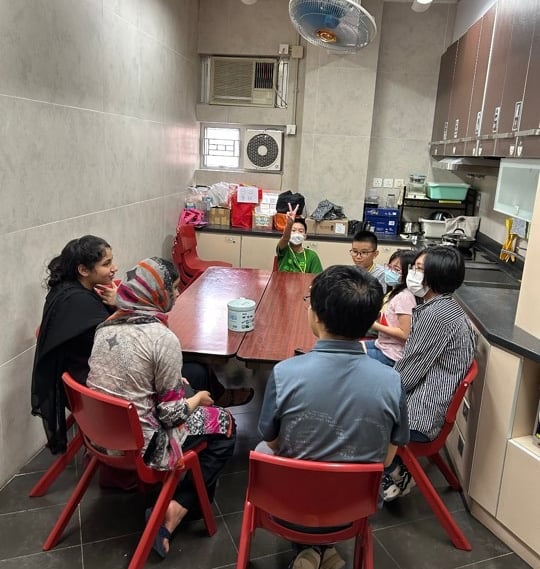
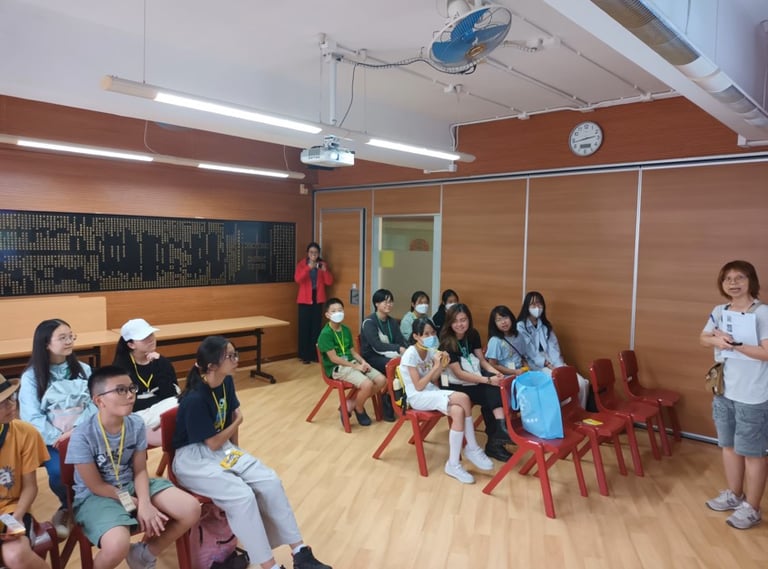
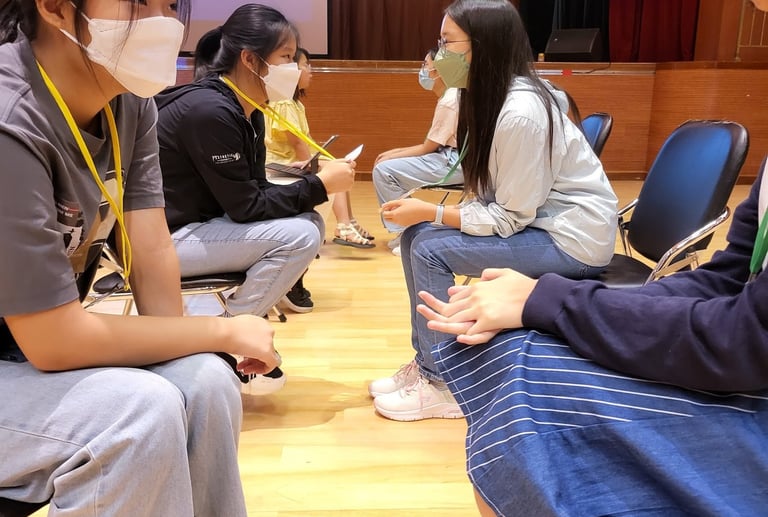
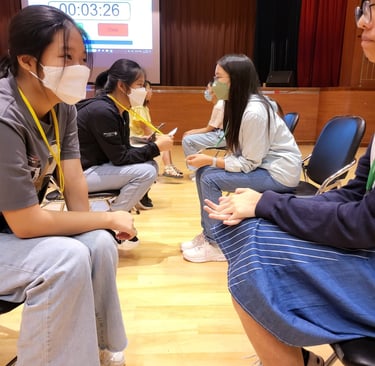
In this activity, mentors and mentees practiced neighboring - intentionally stepping into the community to listen, connect, and express appreciation to people from different backgrounds. After a short brainstorming and briefing session led by a social worker, mentees learned how to approach conversations with empathy, respect, and openness. They then spent time engaging with cleaners and janitors at the social service centre, new immigrants from Mainland China, ethnic minority families, and elderly community members, using simple questions to learn about their lives and experiences.
The session concluded with individual debriefing between mentors and mentees, where they reflected on what they observed and how it felt to express gratitude through genuine conversation. Some mentees also created handwritten cards or small DIY gifts as a way to say thank you. Through this experience, mentees learned that care and appreciation can be expressed through everyday interactions, and that small acts of attention can help build a more compassionate and connected community.
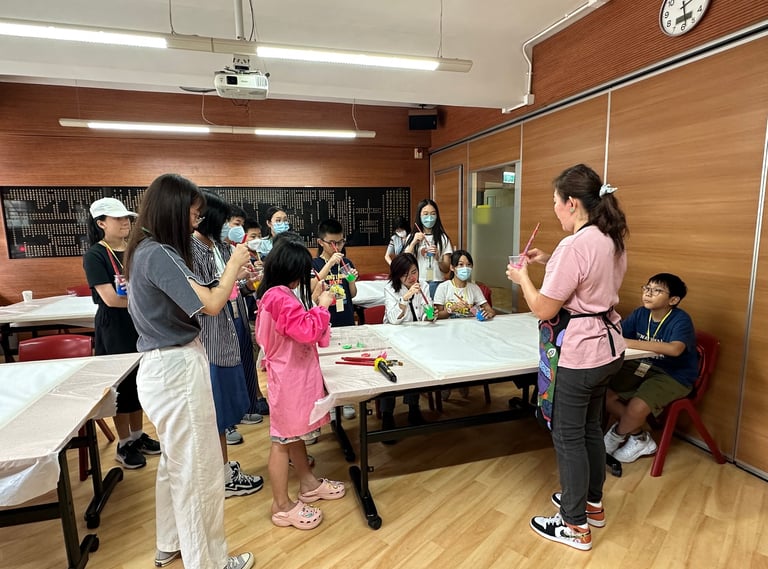
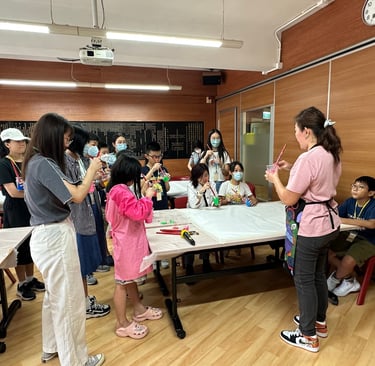
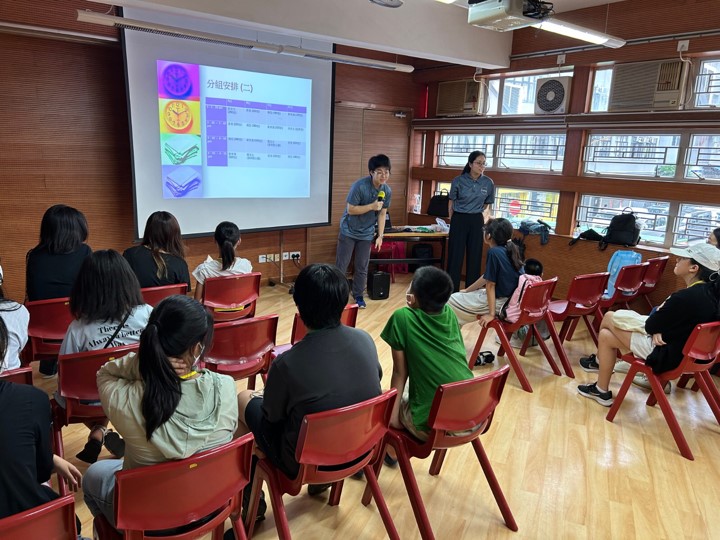
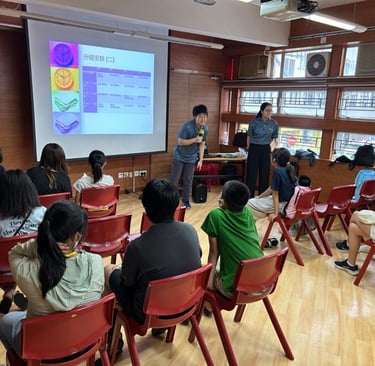
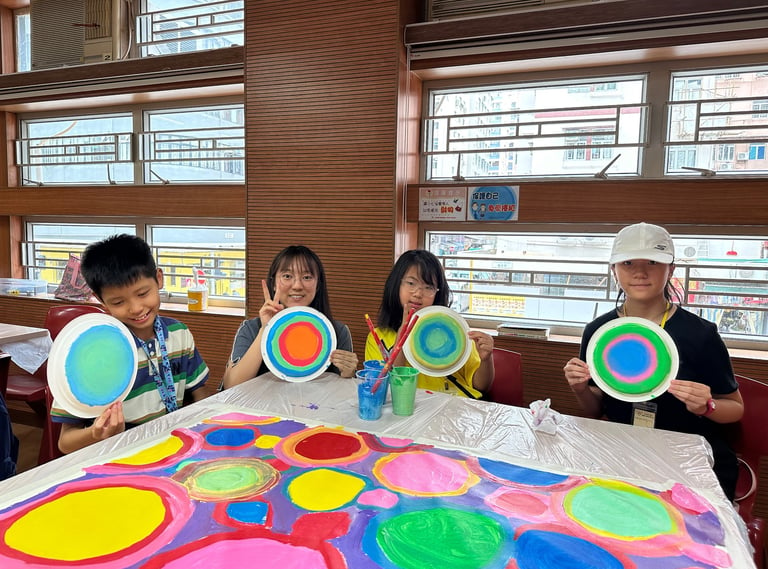
Circle Painting Workshop (16/9):
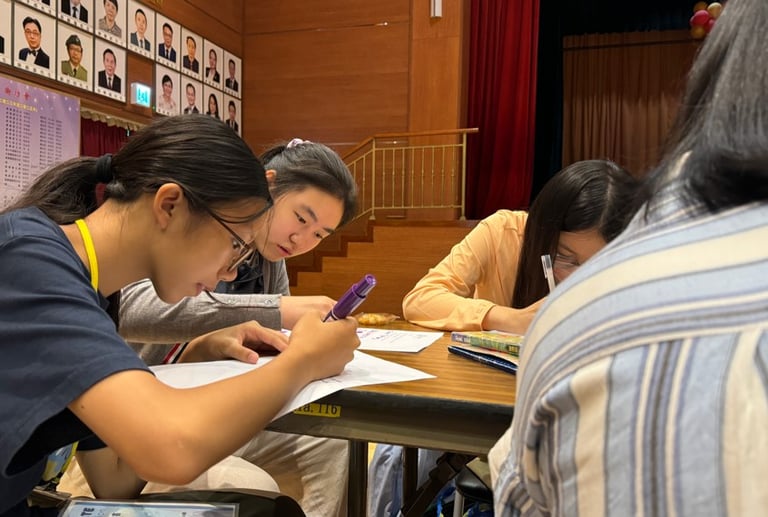
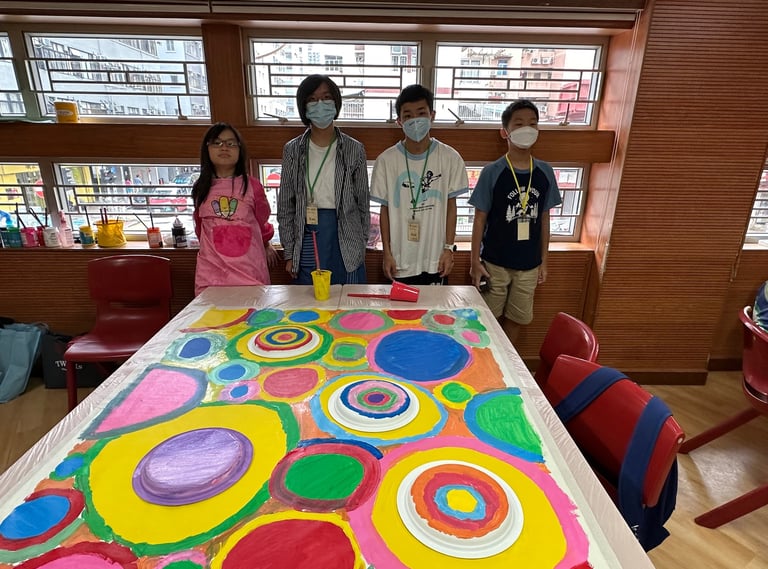
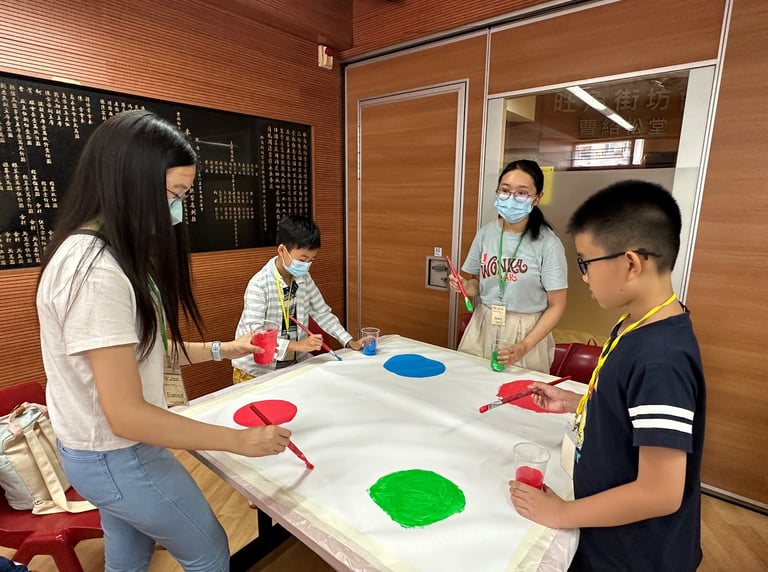
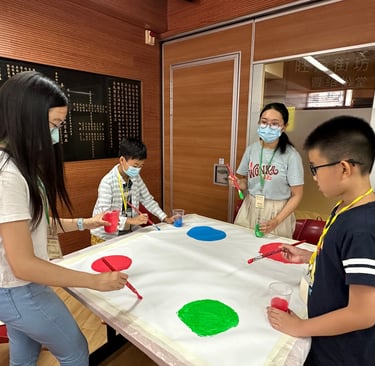
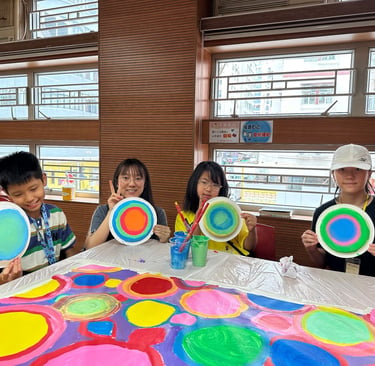
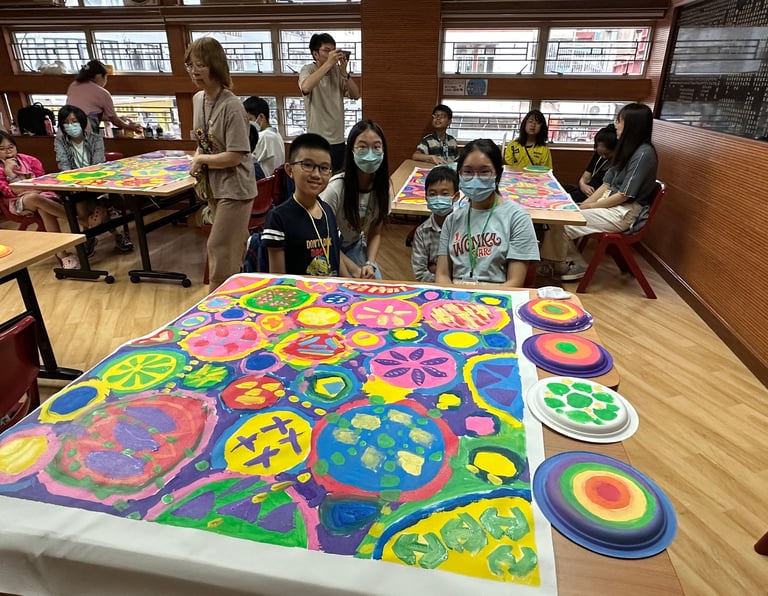
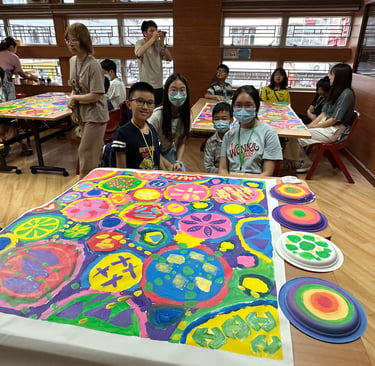
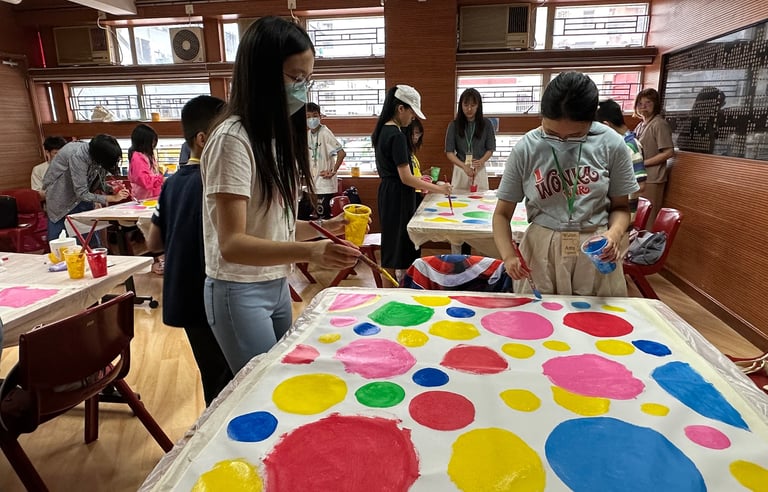
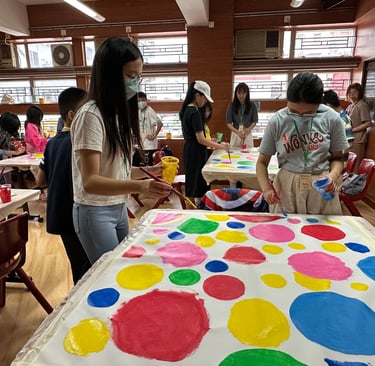
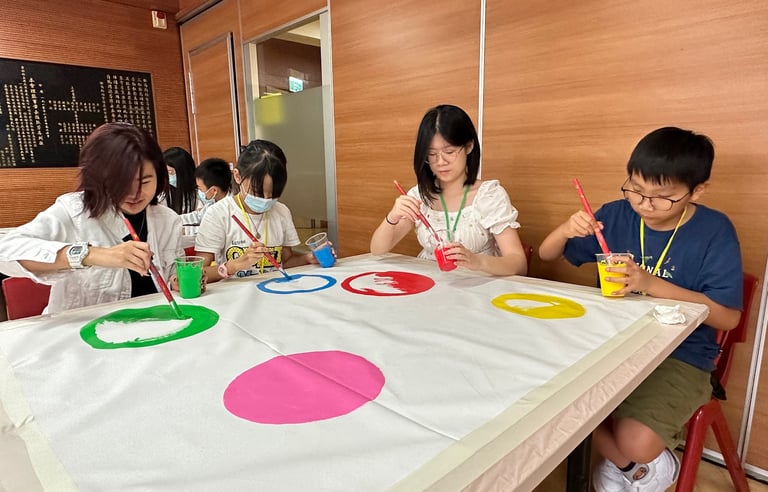
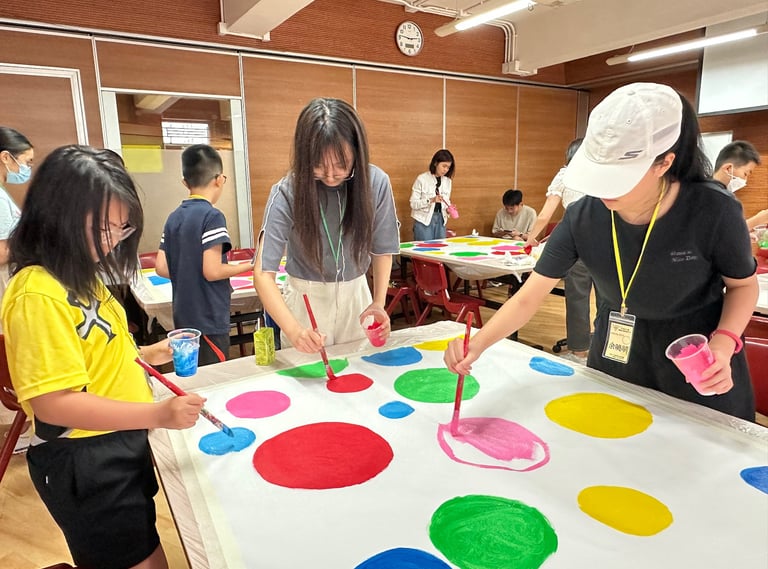
On Day 4, mentors and mentees came together for a circle painting workshop, using art as a gentle and engaging way to connect, communicate, and express themselves. After a short briefing, mentorship pairs were grouped around large sheets of paper and invited to paint side by side, adding circles of different colours, sizes, and patterns to a shared artwork. There was no fixed design to follow instead, participants responded to one another’s ideas as the painting slowly evolved.
As the session unfolded, mentors and mentees naturally began to talk, observe, and adapt to each other’s creative choices. Some discussed the meaning behind their colours and shapes, while others worked quietly together, learning to share space and make decisions as a group. The simple act of creating something together helped lower barriers and allowed mentees to express themselves more freely, knowing their mentors supported them.
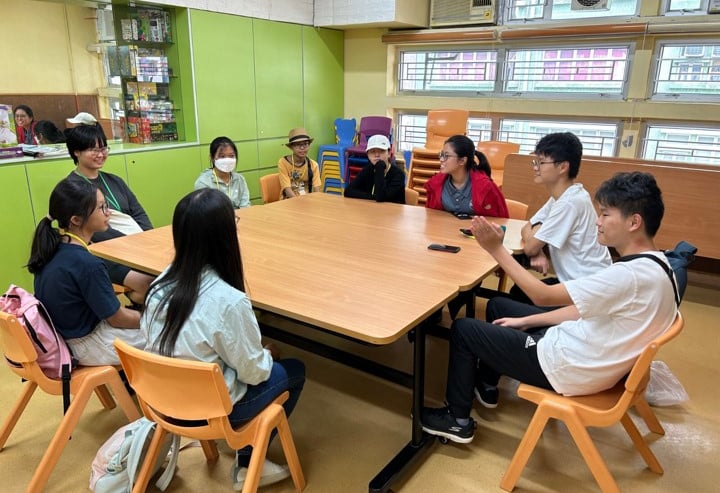
The session ended with time for mentors and mentees to reflect on the experience and plan together. Many shared that painting alongside one another made conversations feel easier and more relaxed. Through circle painting, mentees learned that self-expression doesn’t always require words, and that trust and connection can grow through small moments of collaboration and creativity.
Christmas Outing (30/12):
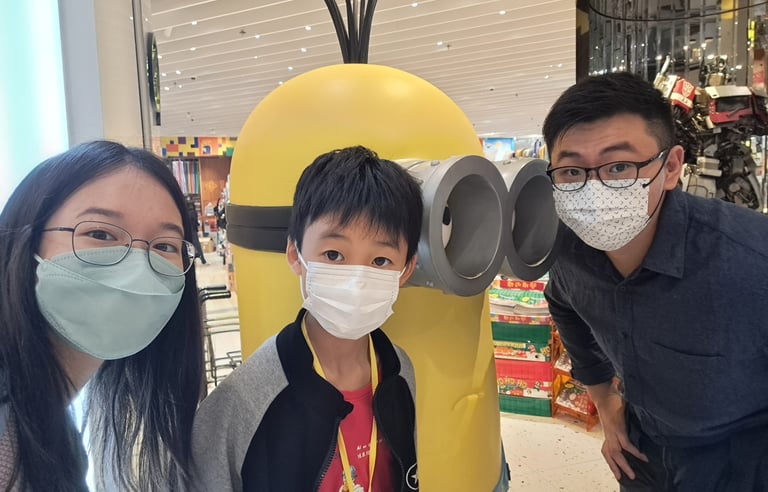
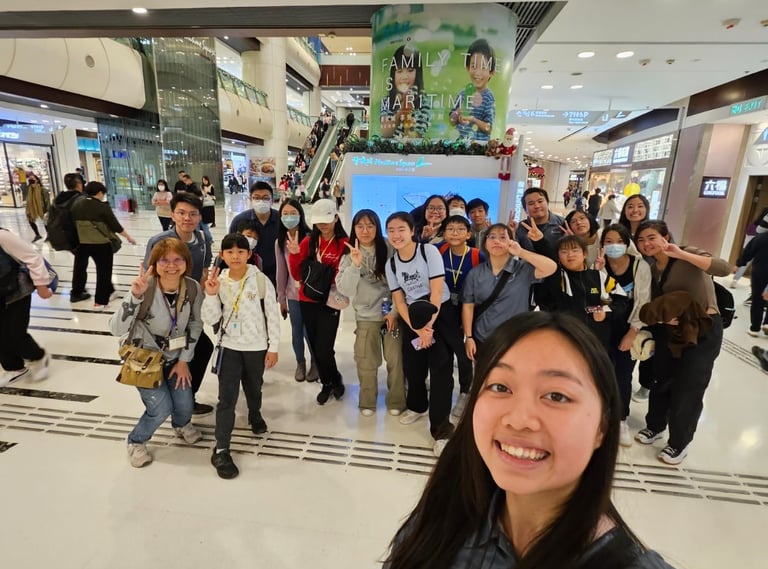
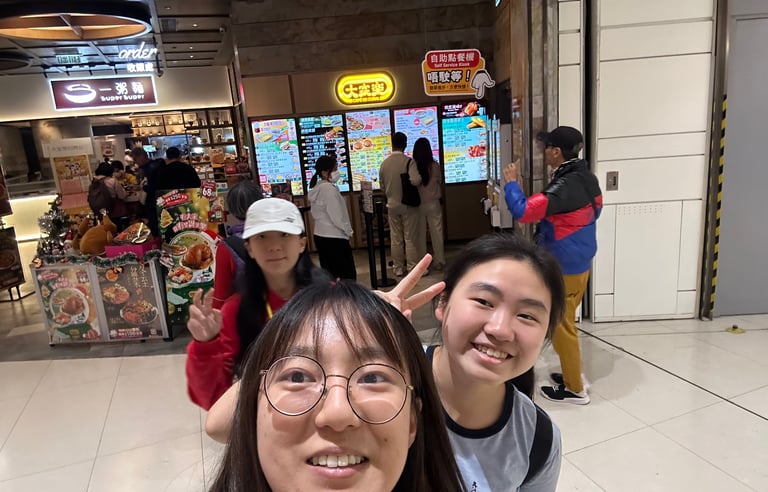
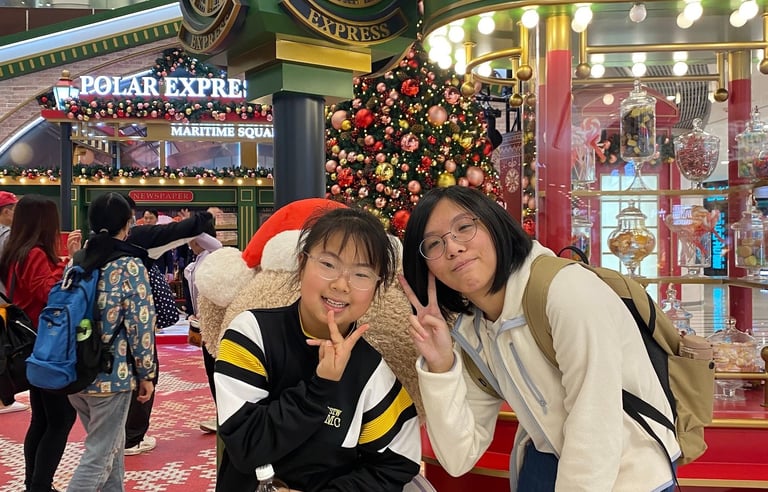
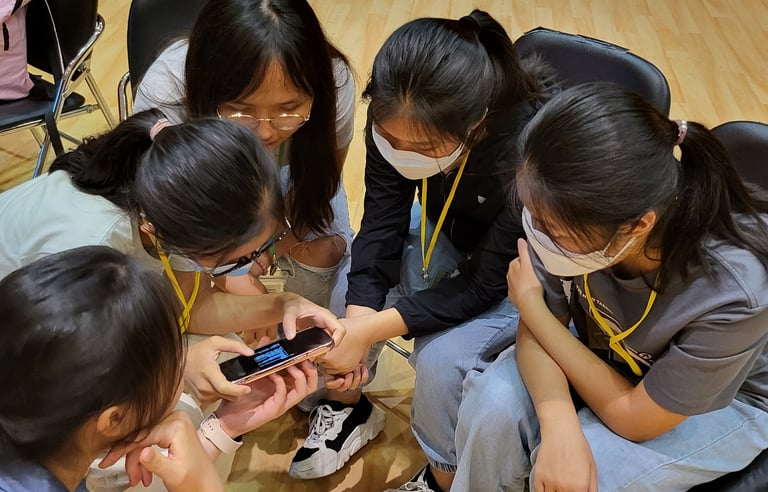
Mentors and mentees took part in a mall-based treasure hunt, combining festive fun with teamwork and real-world observation. The activity began with a short warm-up game to energise the group and help everyone settle in. Mentors then went through the rules and safety guidelines, reminding mentees to stay together, follow instructions, and be mindful of other mall users throughout the activity. Working in small groups, mentorship pairs explored the mall using a specially designed worksheet that guided them to different locations and shops. The tasks required mentees to observe their surroundings closely such as identifying shop details, checking prices, noting festive decorations, and answering location-based questions. Phones were used for group photos and selfies at designated spots, adding an element of excitement while encouraging teamwork and shared responsibility.
As the treasure hunt progressed, mentors supported mentees by pacing the activity, reminding them to take breaks when needed, and ensuring everyone stayed safe and included. Although the activity was physically demanding at times, many mentees found it both tiring and enjoyable, especially when completing tasks together and celebrating small successes as a group.
The outing concluded with time to regroup and reflect, allowing mentors and mentees to talk about what they enjoyed, what challenged them, and how they worked together as a team. Through this Christmas outing, mentees learned the importance of cooperation, communication, and looking out for one another while experiencing how learning and bonding can happen through shared exploration and festive moments beyond the classroom.
Easter Board Game Day (6/4):
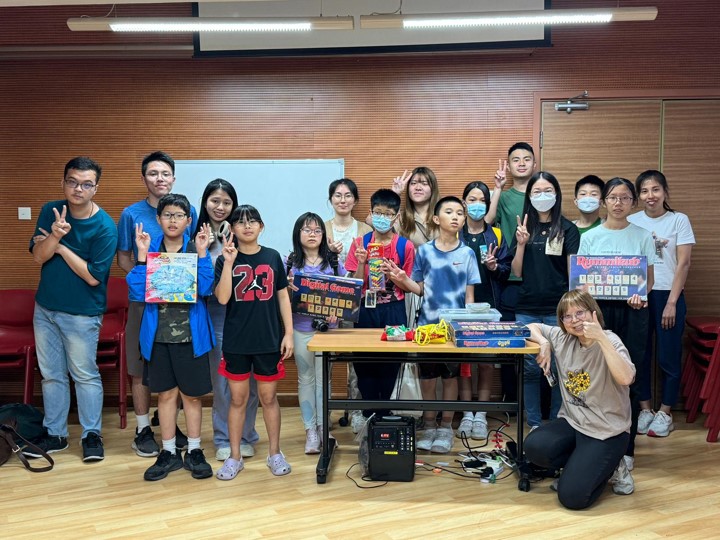
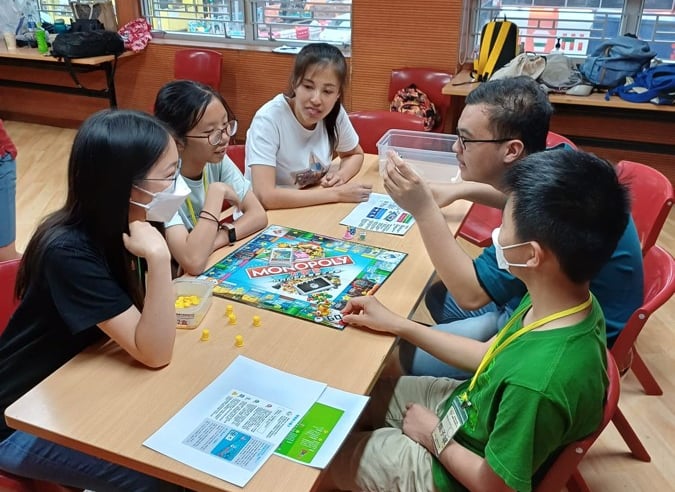
The Easter activity took the form of a Board Game Day; a fun, engaging, and subtly educational experience. Mentors and mentees played a variety of board games that encouraged strategy, communication, turn-taking, negotiation, and planning. The relaxed setting created an easy space for social learning, where mentees practiced decision-making and problem-solving without pressure. Playing side-by-side also opened the door for natural conversations, shared laughter, and meaningful interactions that deepened the mentoring bond. The games allowed mentors to observe their mentees’ thinking styles in a genuine context while mentees built emotional regulation skills by handling wins, losses, and teamwork moments. The day blended fun with valuable learning and helped strengthen relationships through shared play.
Closing Ceremony (28/6):
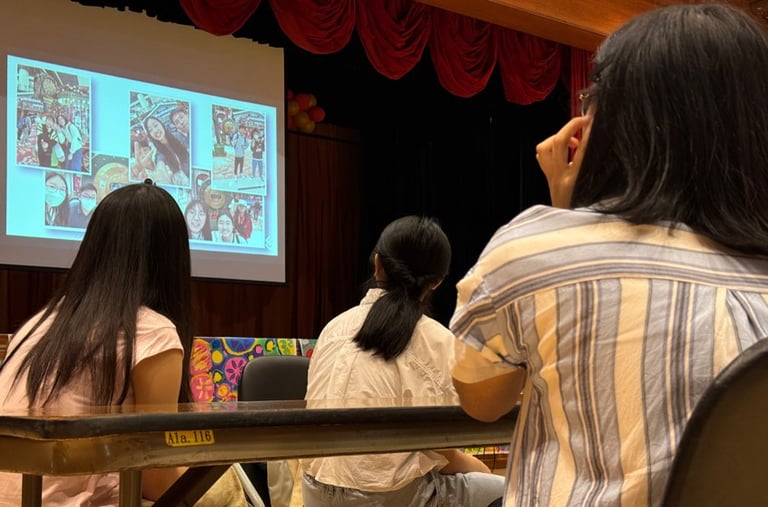
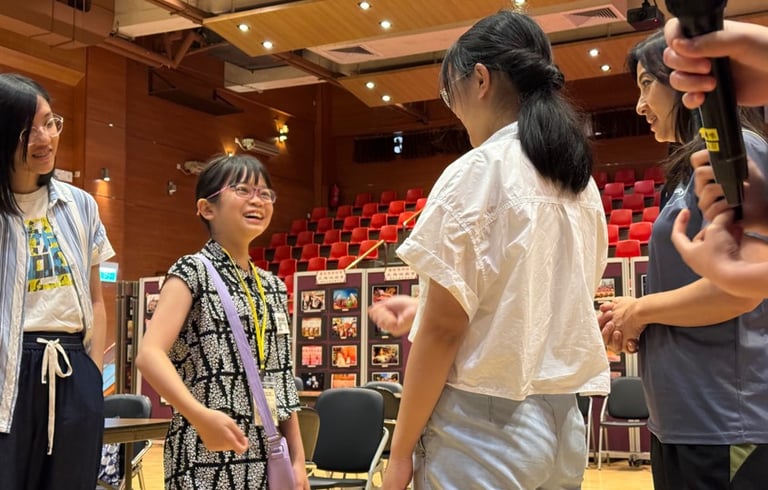
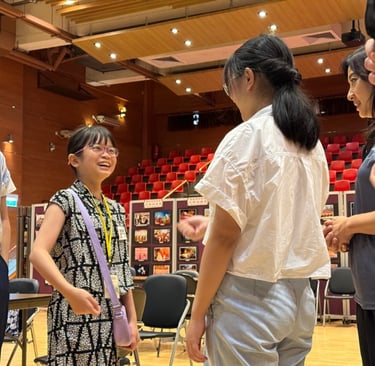
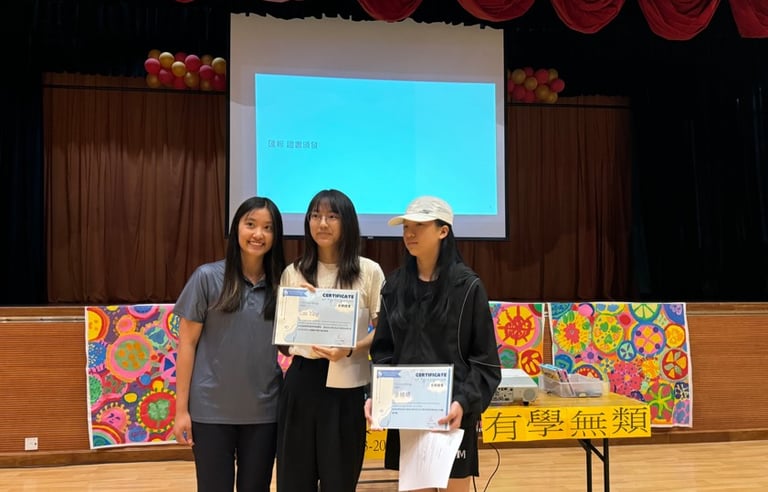
The closing ceremony brought mentors and mentees together to reflect on their year-long journey. They revisited memories through photos, completed reflection worksheets, and celebrated milestones through awards, recognition, and heartfelt exchanges of appreciation. This time for reflection allowed mentees to recognise how much they had grown academically, socially, and emotionally, while mentors gained insight into the meaningful impact they had made. Looking back on shared experiences helped everyone appreciate how their relationships had evolved, and recognising individual and group accomplishments boosted mentees’ confidence. Ending the program with a warm celebration created a strong sense of closure, pride, and gratitude, marking not just the end of the year but the growth of a supportive community.
Conclusion
The 2023-24 Mentorship Program marked the meaningful first year of running mentorship as a fully independent initiative. Throughout the year, mentors and mentees built strong relationships that extended far beyond academics - relationships that addressed the emotional strain, academic pressure, and lack of whole-person development faced by many children in Hong Kong. Week after week, mentees grew in confidence knowing they had someone who cared for them, while mentors developed empathy, leadership skills, and a deeper understanding of how to support younger students.
Through consistent weekly meetings and thoughtfully designed bonding activities, this year’s cohort created a community where every child felt seen, supported, and accompanied. We are deeply grateful to all mentors, mentees, parents, and our partner, Mongkok Kai-fong Association Chan Hing Social Service Center, who made this program a success. As we celebrate the close of this year’s journey, we look forward to continuing our mission to nurture connection, resilience, and holistic growth in every mentor-mentee pair.
info@hkedquity.org
+852 9829 7377
EdQuity Hong Kong Foundation Limited © 2026
Registered Charity IR File No. 91/19551
www.hkedquity.org is owned by