

2024-2025 Mentorship Program
Program Details
Public
6/28/202512 min read
Introduction
The 2024-25 Mentorship Program continued EdQuity Hong Kong’s commitment to nurturing meaningful, trusting relationships between primary school mentees and their secondary school mentors. Building on the foundation established the previous year, the program further strengthened mentorship as a dedicated space for connection, encouragement, and whole-person development.
In Hong Kong, many children grow up under intense academic pressure while having limited opportunities to develop emotional resilience, confidence, and a sense of belonging. Increasing mental health challenges among young students highlight the need for consistent adult support beyond the classroom. The Mentorship Program was created as a response to this reality, providing steady companionship, encouragement, and guidance during an important stage of development.
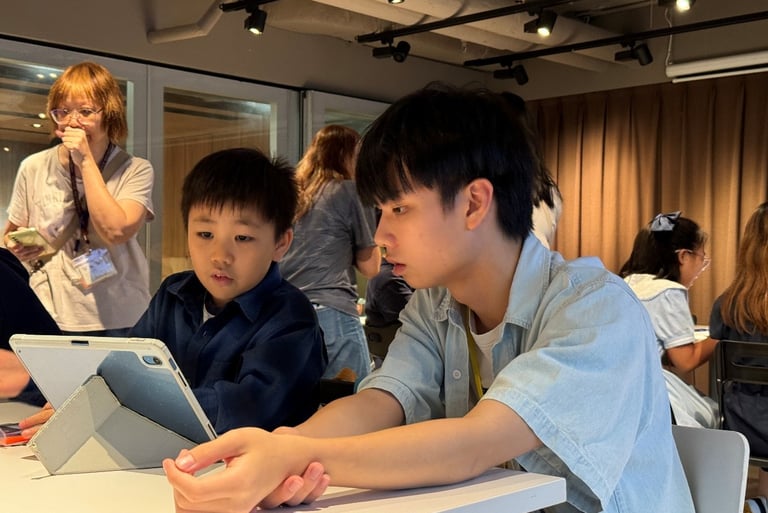
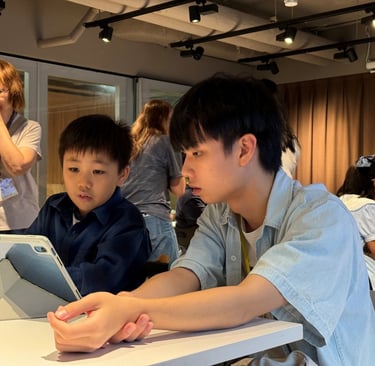
From August 2024 to June 2025, each mentee was paired with a dedicated mentor who walked alongside them throughout the academic year. Through weekly mentoring sessions and thoughtfully designed experiential activities, mentees received academic guidance, emotional encouragement, and a safe environment where they could express themselves freely. Mentors served as steady role models, helping younger students navigate both learning and personal growth while developing empathy, responsibility, and leadership through service. At its heart, the program seeks to ensure that every child knows they are seen, valued, and never walking their journey alone.
Venue & Dates
The program ran from 29 August 2024 to 28 June 2025, spanning the full academic year through weekly mentoring sessions and milestone bonding activities held across different locations in Hong Kong.
Weekly Meetings
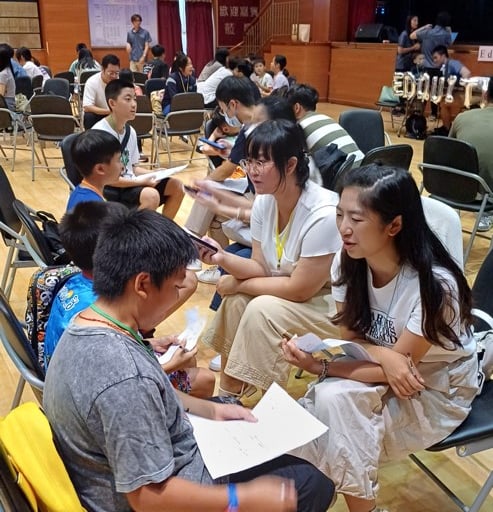
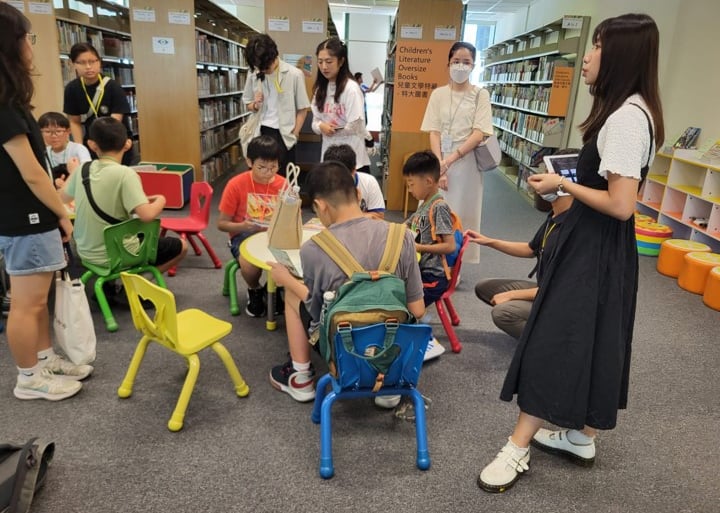
Throughout the year, mentors met their mentees weekly, either in person or online depending on each mentee’s needs and circumstances. In-person meetings took place in public study spaces, community centers, or mentees’ homes, while online sessions were conducted via Zoom or Google Meet when necessary. These consistent meetings formed the core of the mentorship experience, providing regular academic support, emotional check-ins, and opportunities to build trust and friendship.
Bonding Activities
In addition to weekly mentoring, the program featured milestone bonding activities that allowed mentors and mentees to learn, explore, and reflect together.
Mentorship Pairing & Society Game (29 August 2024)
Education University of Hong Kong Visit (30 August 2024)
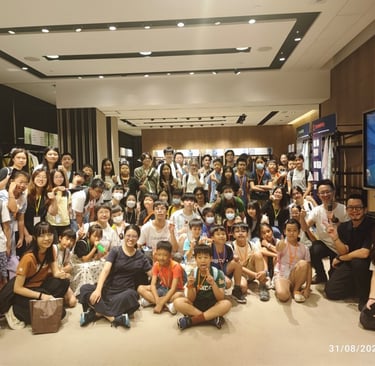
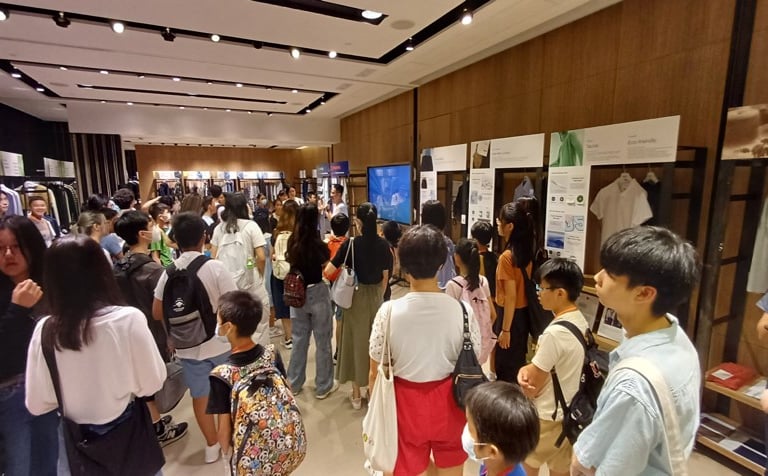
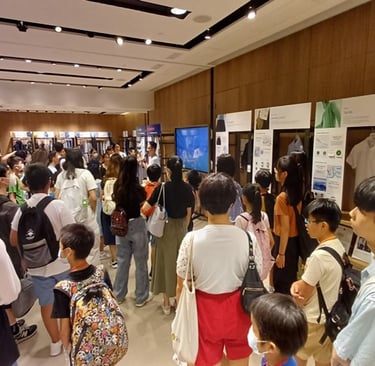
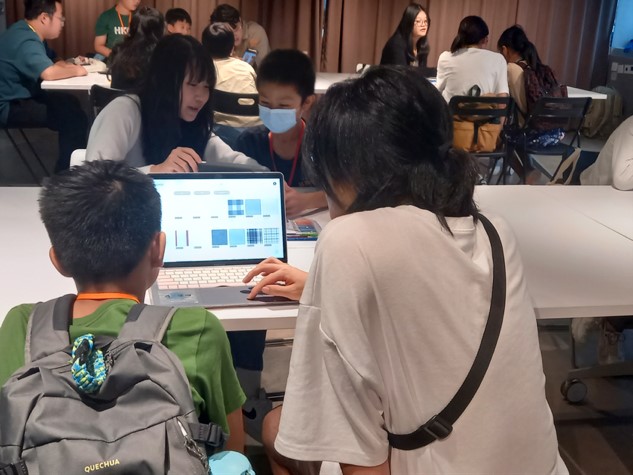
Textile Workshop at Esquel (31 August 2024)
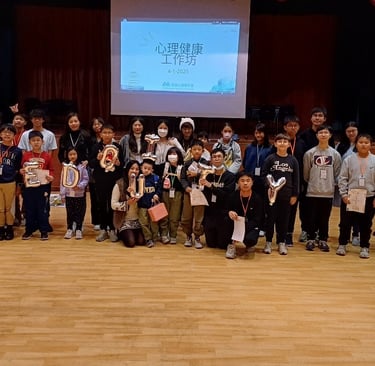
Mental Health Workshop (4 January 2025)
Tsuen Wan City Hunt (15 February 2025)
Life Planning Workshop (3 May 2025)
Closing Ceremony (28 June 2025)
Participants
The program brought together 32 primary school students (Primary 4-6) and 48 secondary and university student mentors (Secondary 4 to University Year 4), forming one-on-one mentor-mentee partnerships that lasted throughout the academic year.
Each pair met regularly, allowing mentors to provide academic guidance, encouragement, and companionship while mentees developed confidence and stronger study habits. Through their involvement, mentors also developed communication skills, empathy, and leadership experience. Together, these mentorship pairs formed the core of the program, creating a supportive environment where both mentors and mentees could learn and grow.
Program Structure
The structure of the 2024/25 Mentorship Program combined weekly one-on-one mentoring with thematic bonding activities designed to strengthen relationships and promote holistic development.
1. Weekly Mentoring Sessions
Throughout the academic year, mentors met their mentees weekly to support:
Homework completion
Subject revision
Reading, writing, and general academic skills
Personal growth and confidence
Goal-setting
Social and emotional wellbeing
These consistent sessions formed the backbone of the program and provided continuity in the mentees’ learning experience.
2. Summer Bonding Activities
Mentorship Pairing & Society Game (29/8)
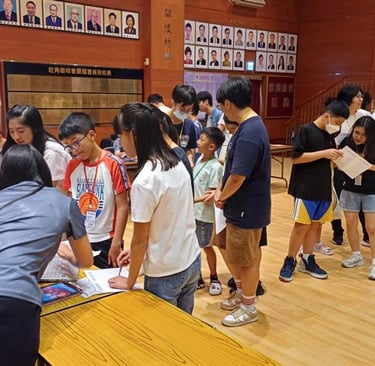
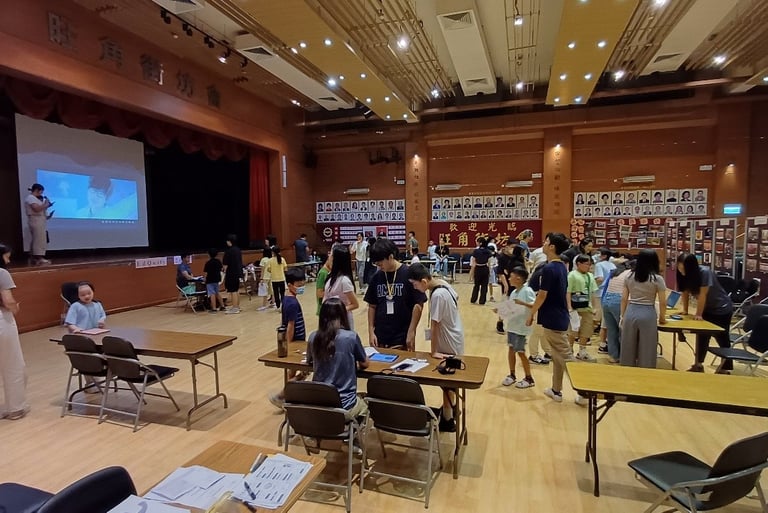
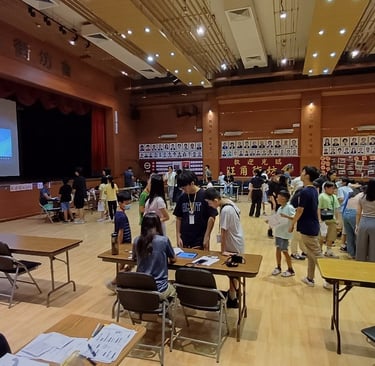
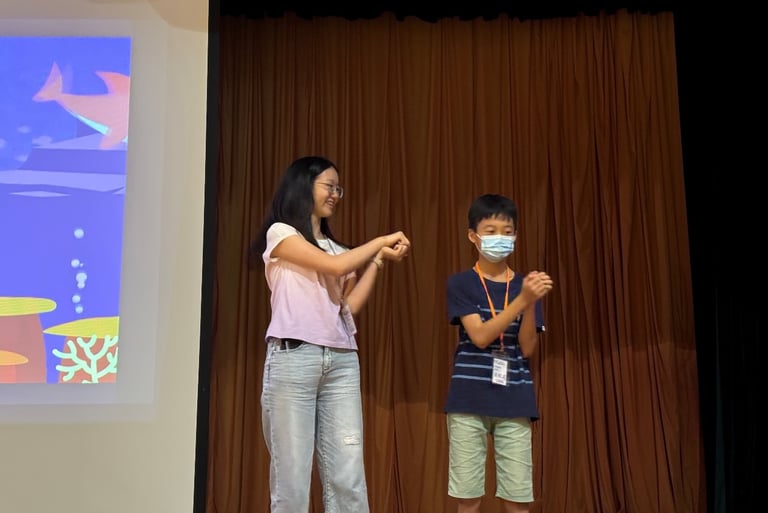
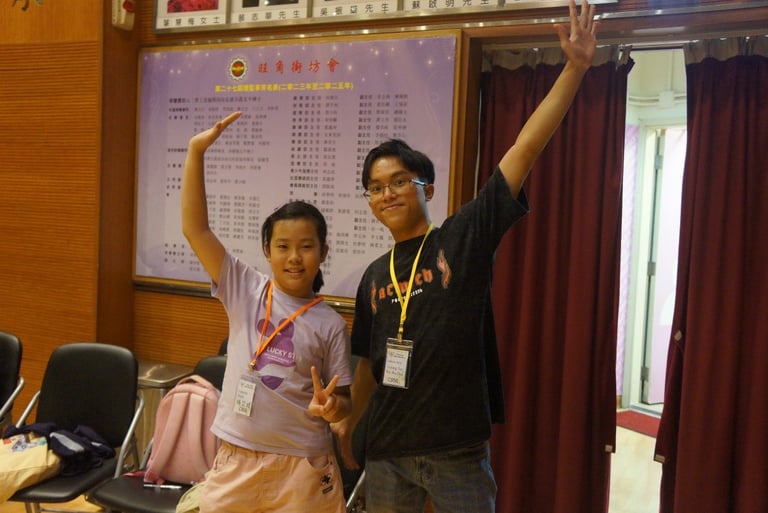
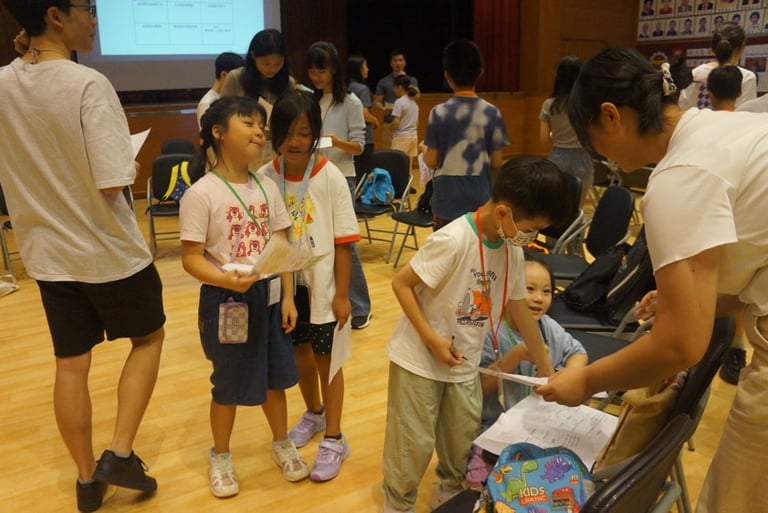
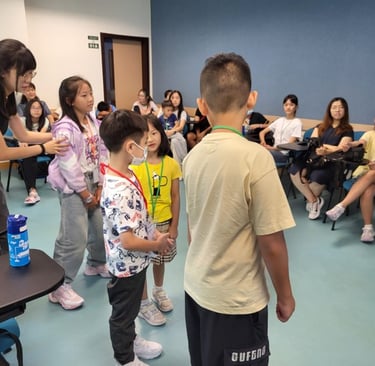
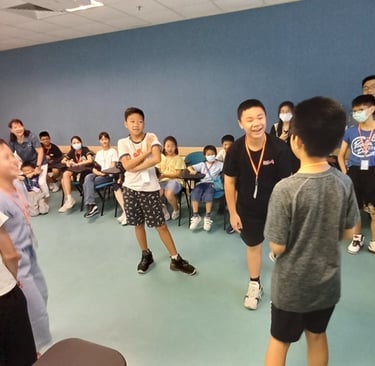
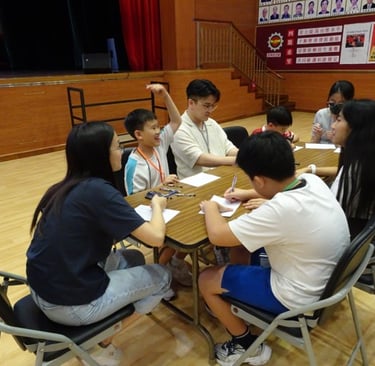
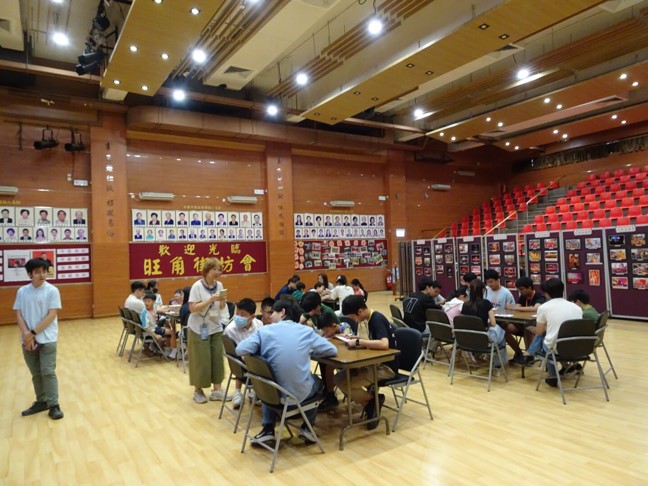
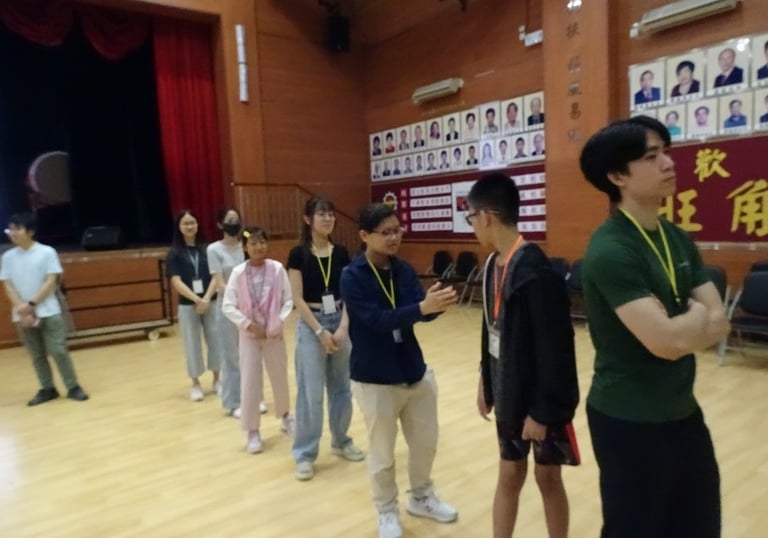
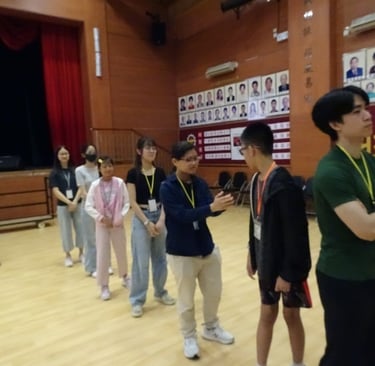
The first day marked the official beginning of the mentorship journey. Participants started with ice-breaking activities and speed-friending, creating a relaxed environment for initial interactions. After the announcement of mentor-mentee pairings, each pair began getting to know one another more personally.
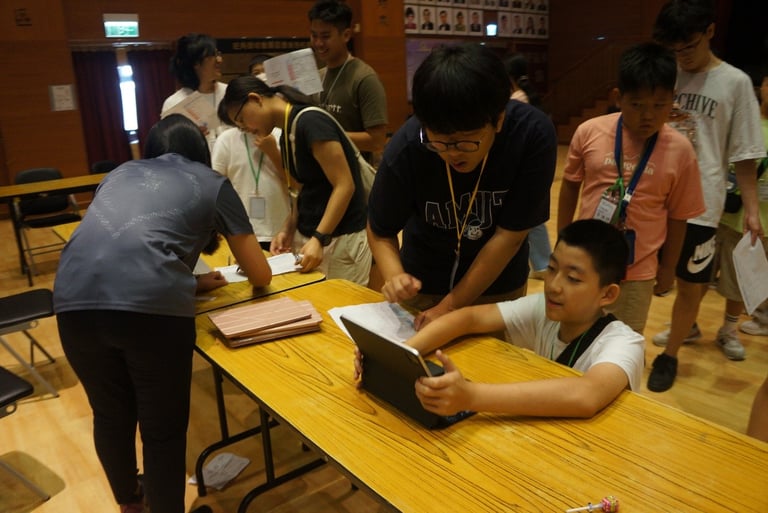
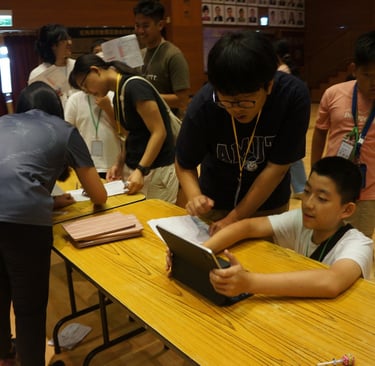
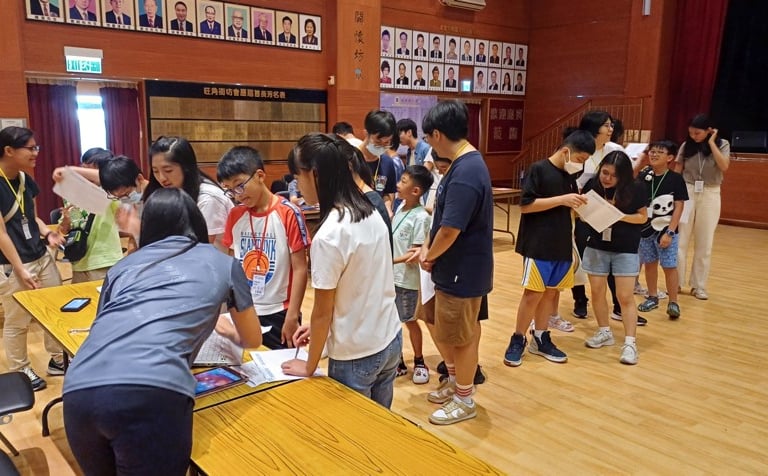
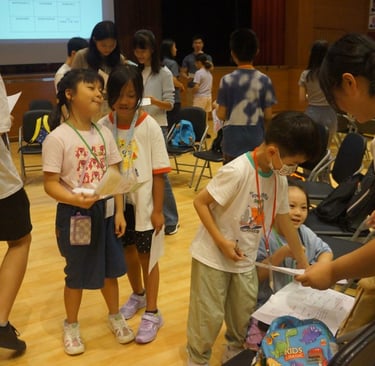
This was followed by the Society Game, an interactive simulation designed to reflect real-life choices and trade-offs. Mentorship pairs moved between different activity booths, taking on roles such as students, workers, performers, and consumers. At each station, they made decisions that affected their “life outcomes,” including wealth, happiness, health, and education.
Some tasks required physical effort, such as carrying objects or exercising, while others involved academic challenges, communication, or financial decision-making. Participants also encountered choices such as whether to prioritize earning money at the expense of health, or spending resources on leisure, charity, or personal wellbeing. Through these varied experiences, mentees began to see how different priorities and circumstances can shape one’s life outcomes.
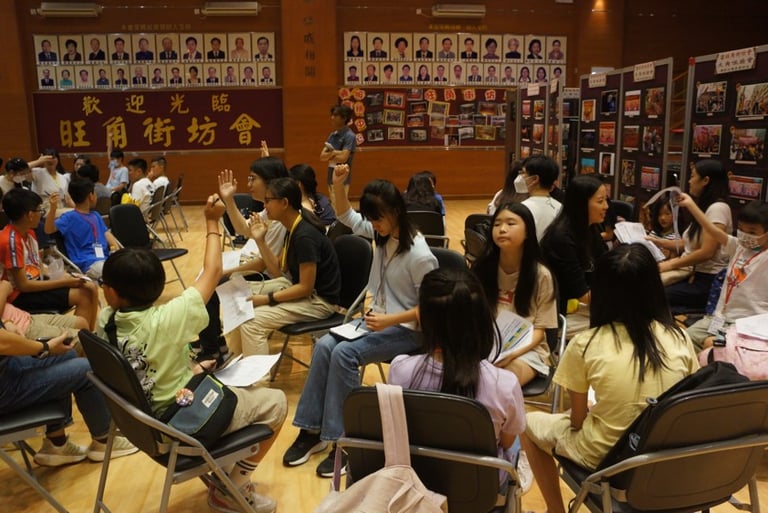
The session concluded with a guided reflection, where mentors and mentees discussed questions about fairness, life choices, and what truly matters. These conversations encouraged participants to think about how their decisions affected their “life” in the game, and how similar trade-offs might appear in reality.
Beyond the simulation itself, the day played an important role in relationship-building. By working through challenges together and reflecting openly, mentors and mentees began to understand each other’s perspectives, communication styles, and values. This first shared experience helped establish trust and laid the foundation for a supportive mentoring relationship throughout the year.
University of Education Visit (30/8)
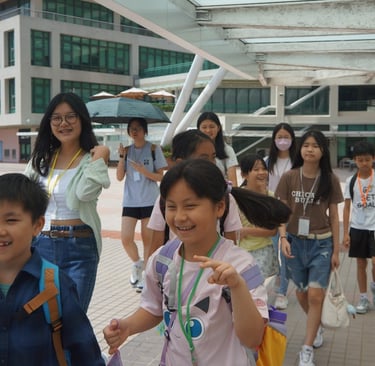
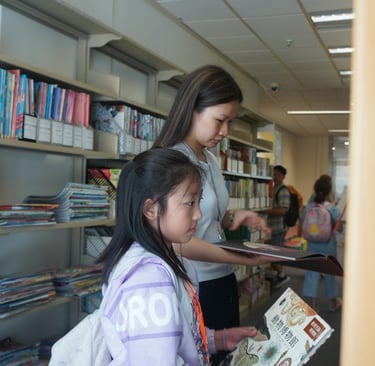
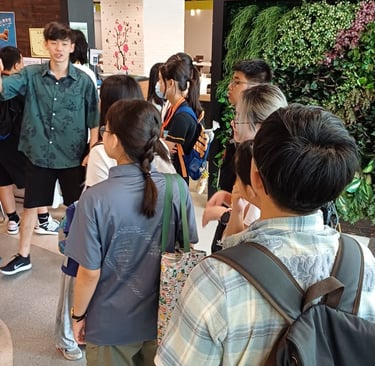
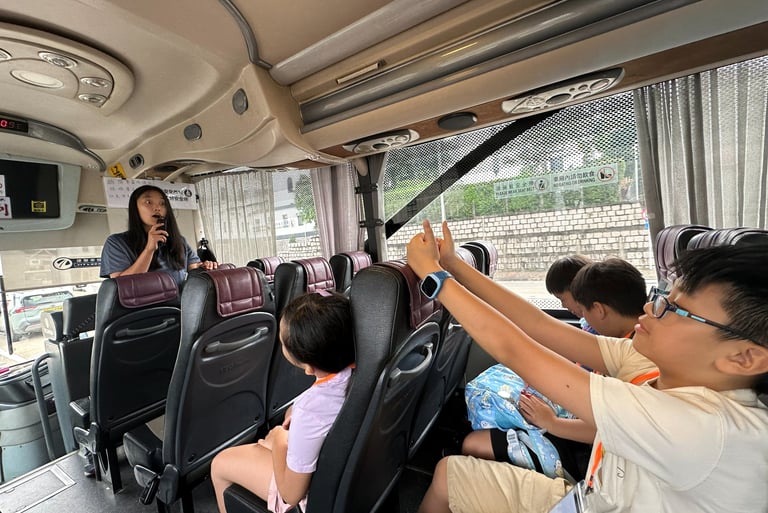
On the second day, mentors and mentees travelled together to the Education University of Hong Kong, giving students an early opportunity to experience a higher education environment.
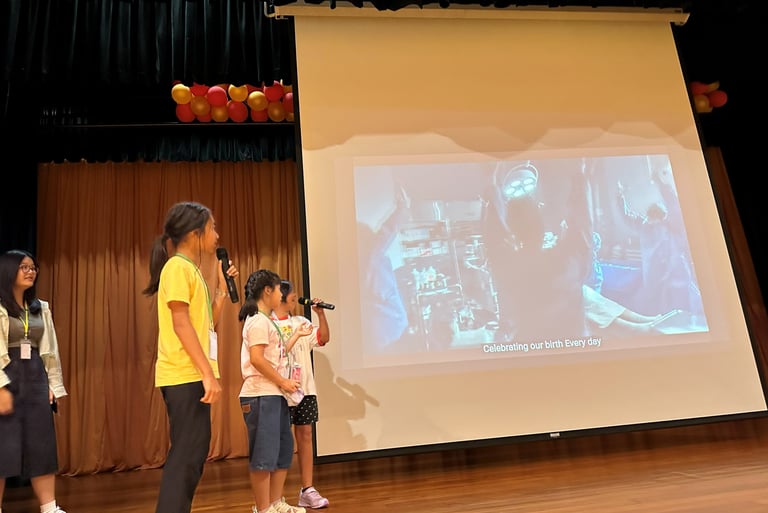
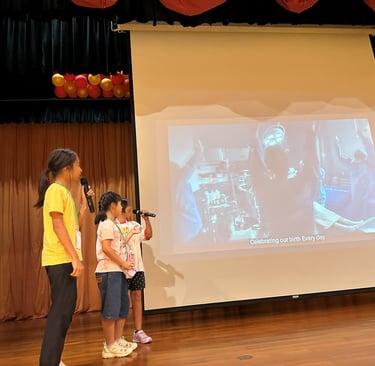
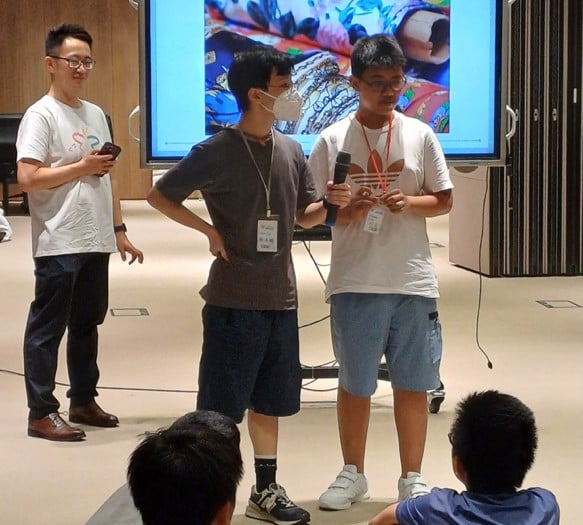
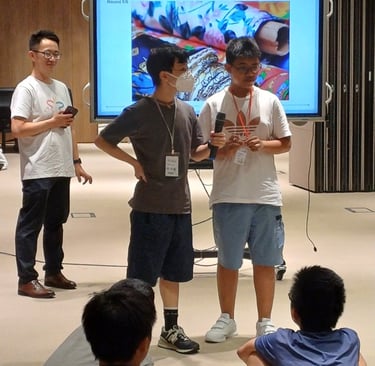
The visit began with a campus tour, where participants explored different learning spaces and gained a better understanding of university life. This was followed by an animation viewing and a creative drama activity, where mentees worked in groups to develop and perform short skits based on the theme of the purpose of education.
Through the process of preparing and presenting their performances, mentees practiced teamwork, creativity, and self-expression. Mentors supported their mentees in organizing ideas, building confidence, and encouraging participation.
The day concluded with a group debrief during the journey back, where participants reflected on what they had learned and observed. The experience helped broaden mentees’ perspectives on education and future pathways, while also strengthening the mentor-mentee bond through shared exploration and collaboration.
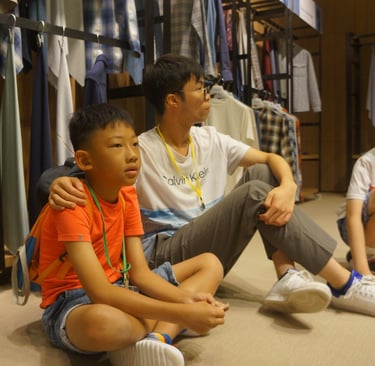
Textile Workshop at Esquel (31/8)
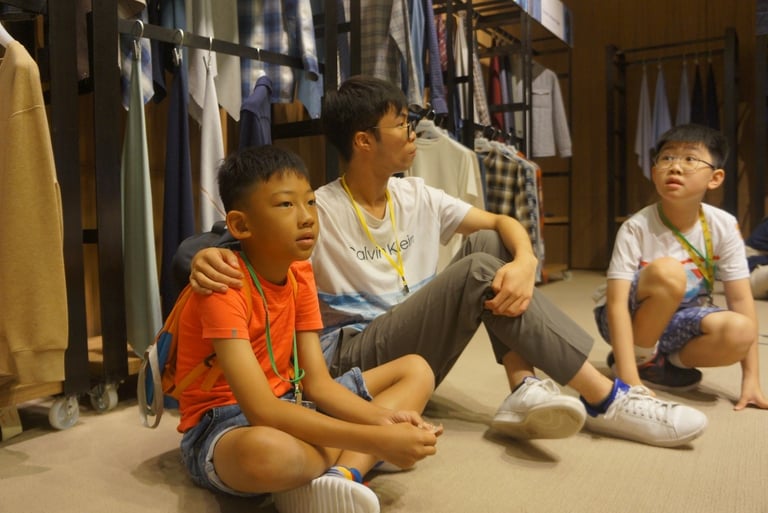
The third day brought mentors and mentees to Esquel Group, where they participated in a textile workshop that connected classroom learning with real-world applications.
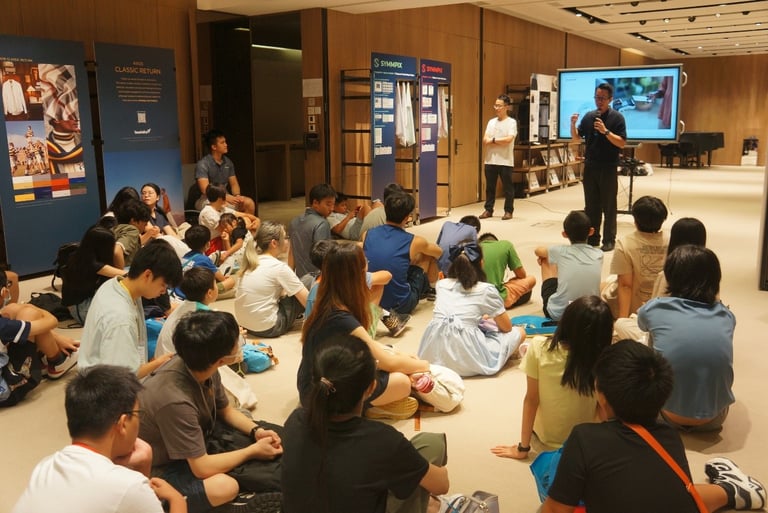
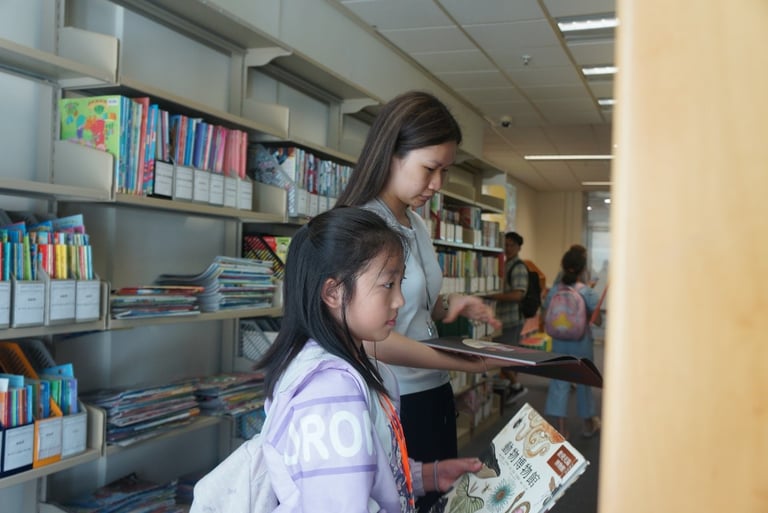
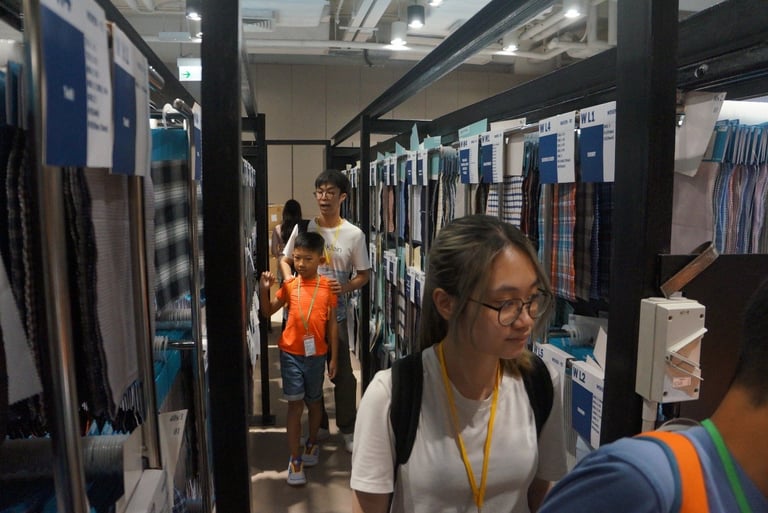
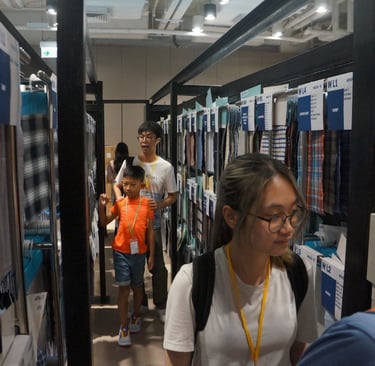
Participants were first introduced to the textile production process through a showroom visit and guided tour of the fabric library and office spaces. They also took part in a “Human Library” session, where staff members shared their personal experiences and career journeys, offering insights into different roles within the industry.
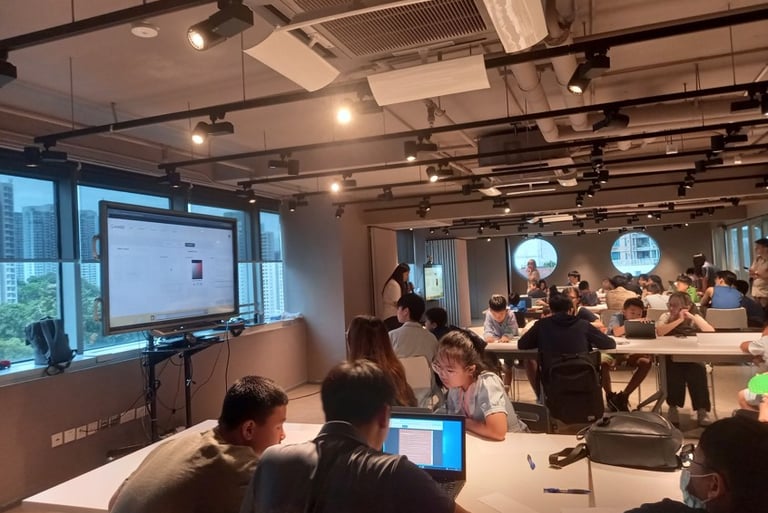
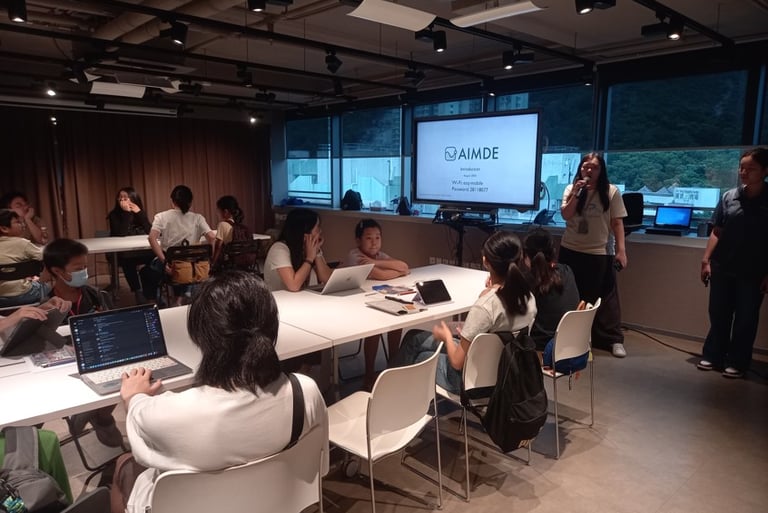
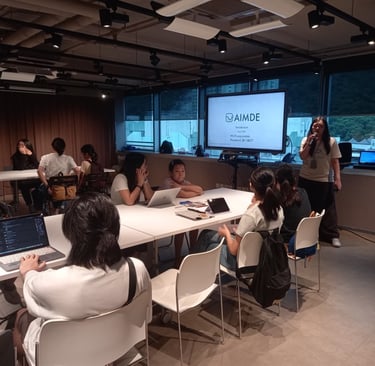
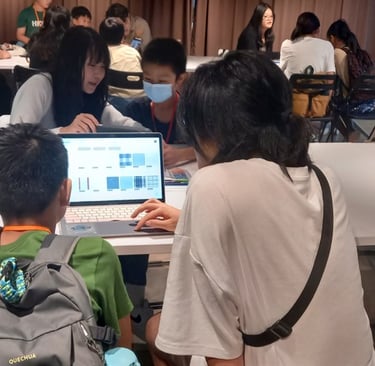
The highlight of the day was a co-design session, where mentorship pairs used AI tools to create their own T-shirt designs. This hands-on activity encouraged creativity, collaboration, and experimentation, allowing mentees to express their ideas while mentors provided guidance and support.
Through this experience, mentees gained a better understanding of how industries operate, the role of innovation in production, and how creativity can be applied in real-world contexts. At the same time, working together on a shared project allowed mentors and mentees to further strengthen their relationship in a more informal and creative setting.
3. Mental Health Workshop (4/1)
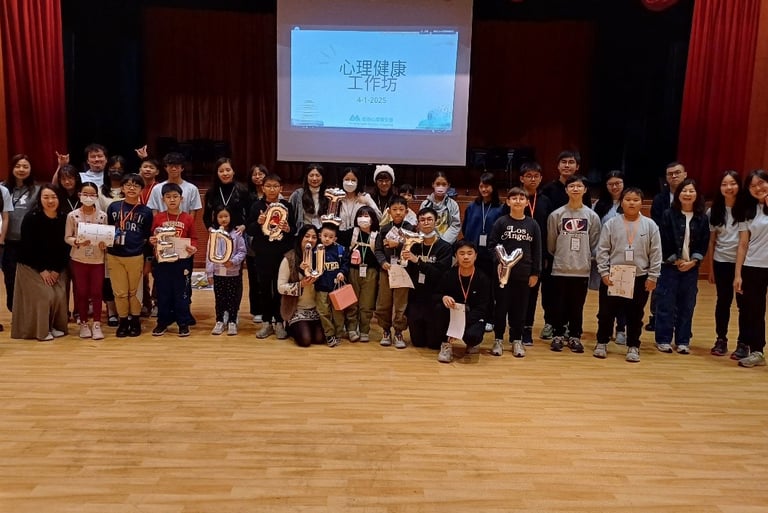
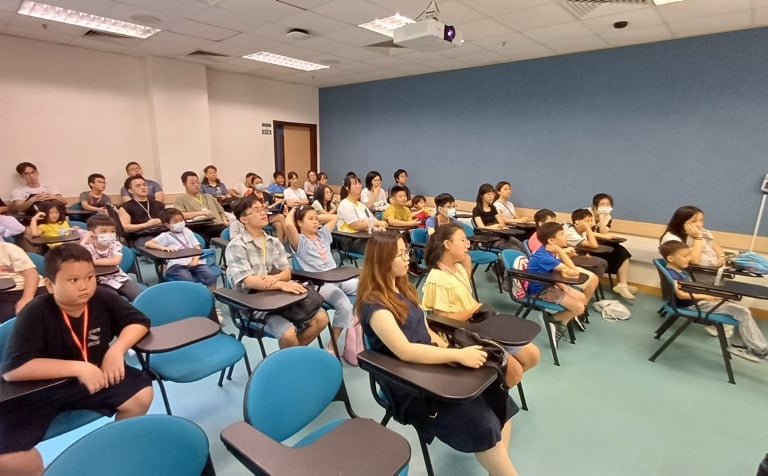
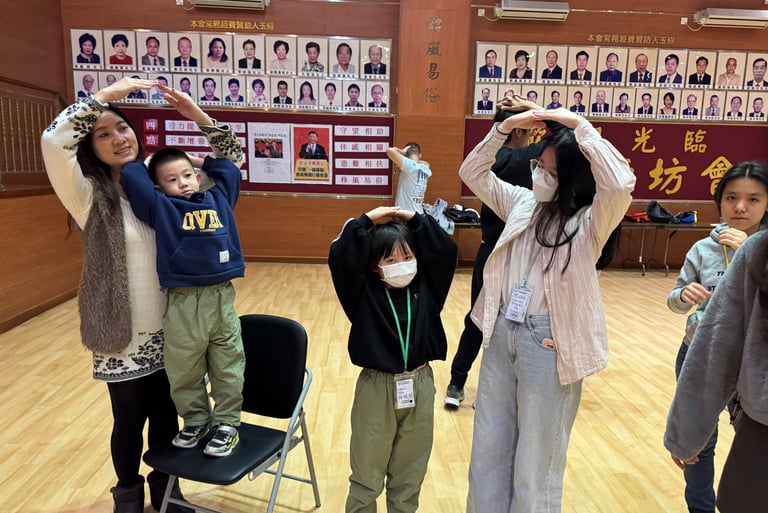
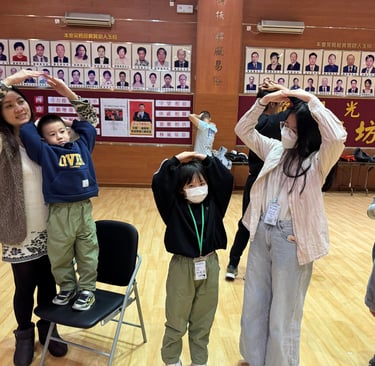
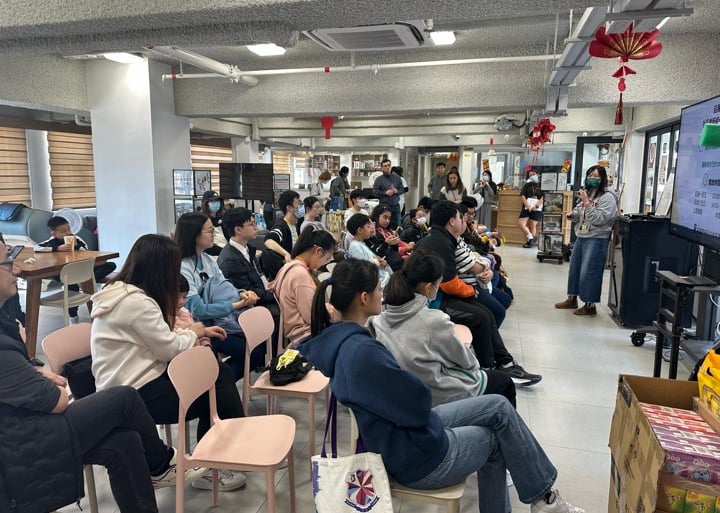
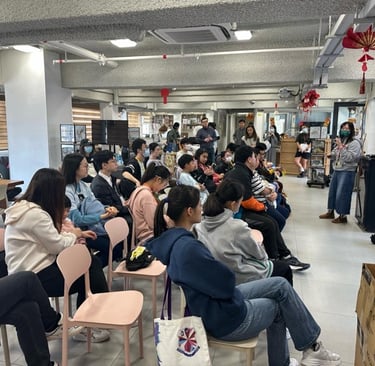
The Mental Health Workshop, held at the Mong Kok Kai-fong Association Chan Hing Social Service Centre in collaboration with the Mental Health Association of Hong Kong, focused on raising awareness of emotional wellbeing and equipping mentees with practical ways to understand and manage their emotions.
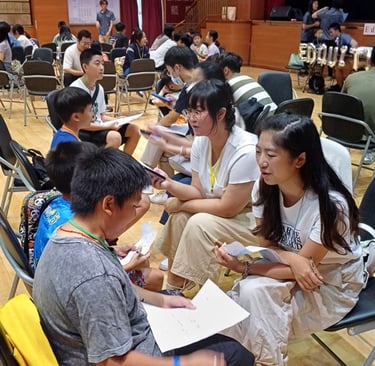
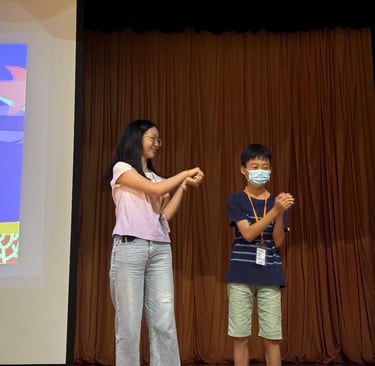
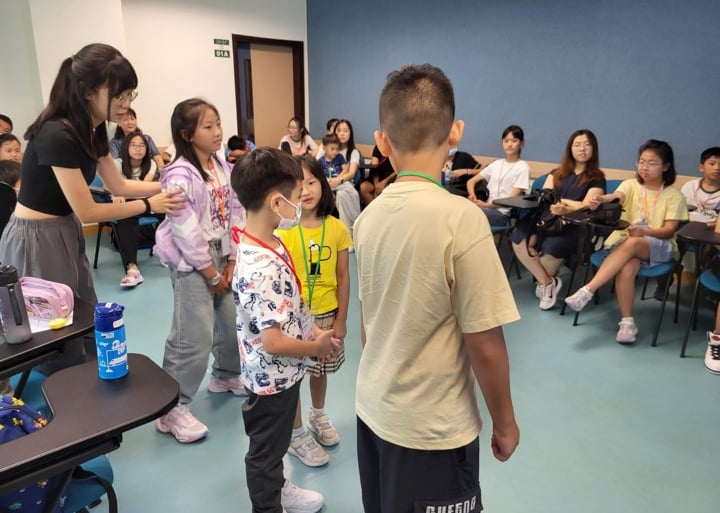
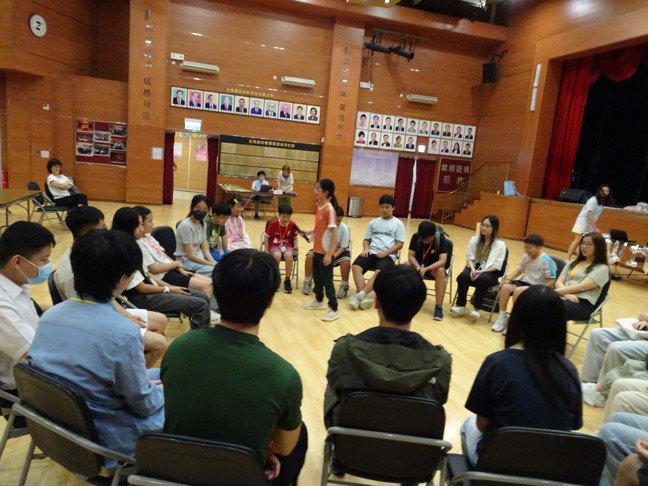
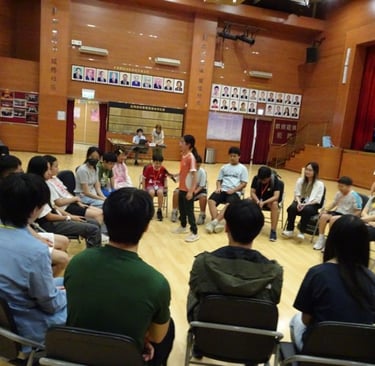
The session began with a series of interactive ice-breaking activities that encouraged participants to relax and become more aware of their thoughts, emotions, and physical responses. Through simple games involving movement, breathing, and observation, mentees explored how emotions can influence behavior and how they are experienced in the body. Mentors participated alongside their mentees, helping to create a safe and open environment for sharing.
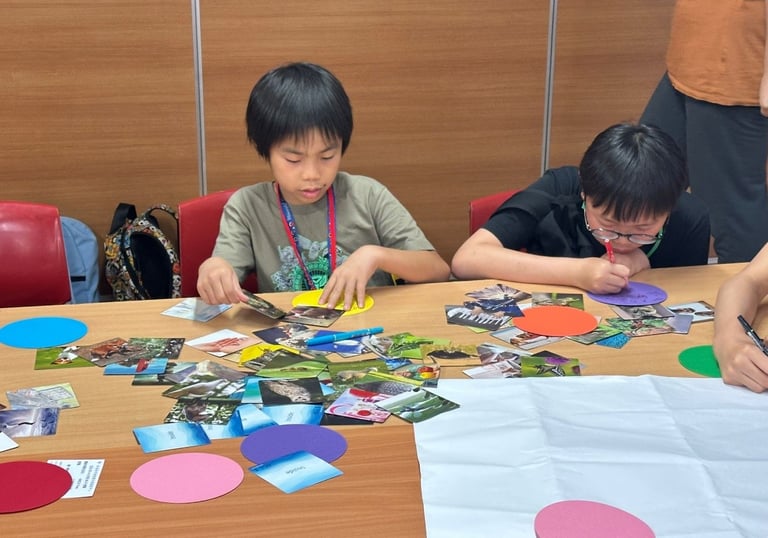
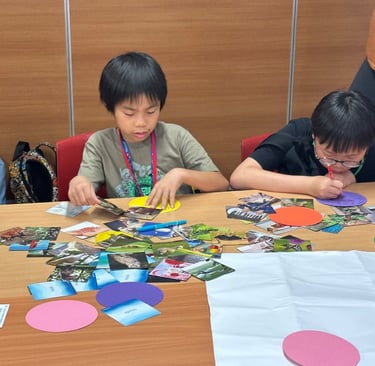
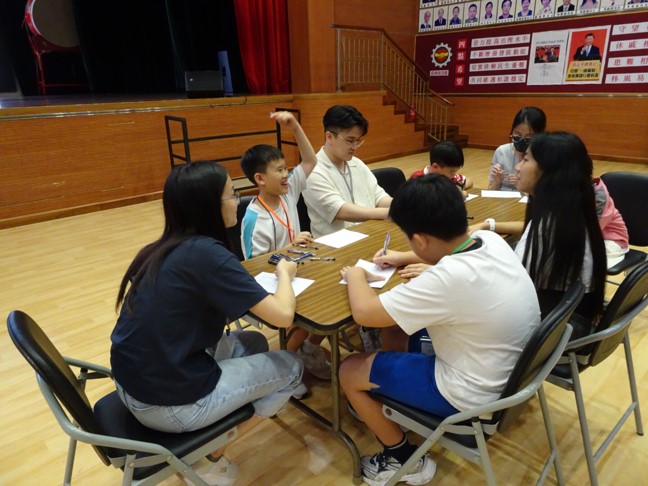
Participants then worked in groups to reflect on different types of emotions, categorizing them into positive, neutral, and negative, and further distinguishing between feelings that are comfortable or uncomfortable. This exercise helped mentees recognize that all emotions are valid, while also building their ability to identify and articulate what they are feeling.
In the second half of the workshop, participants explored practical strategies for managing emotions, including breathing techniques, movement-based activities, and other simple coping methods. Through guided practice, mentees learned that emotions can be regulated through intentional actions, and that there are constructive ways to respond to difficult feelings.
Throughout the session, mentors played an important role in supporting discussion and modelling openness, encouraging mentees to share honestly and engage with the activities. The workshop created a space where students could be more vulnerable, reflect on their emotional experiences, and begin developing greater self-awareness and resilience.
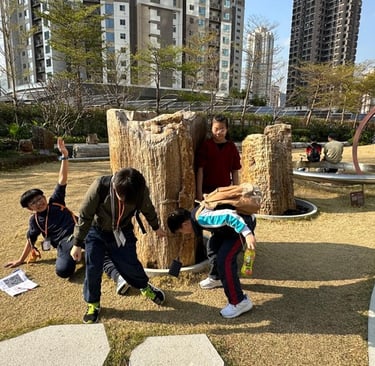
4. Tsuen Wan City Hunt (15/2)
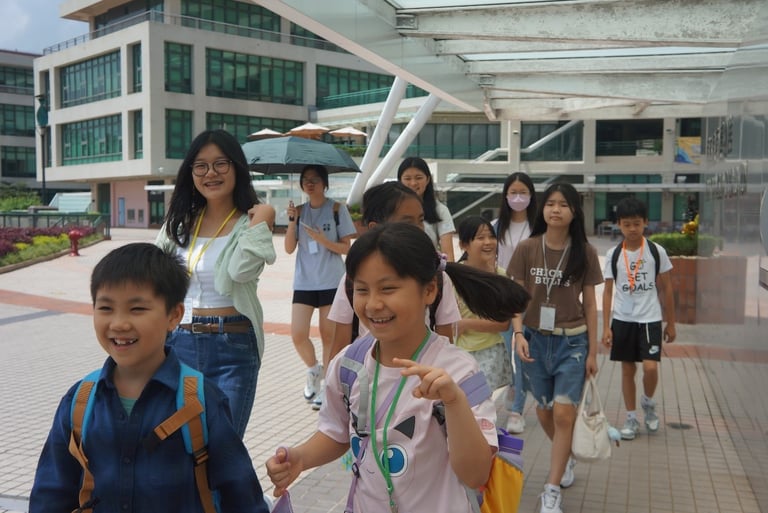
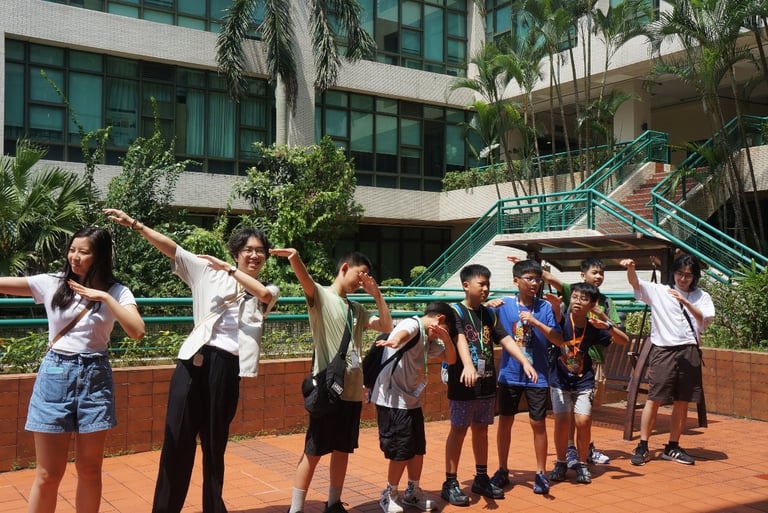
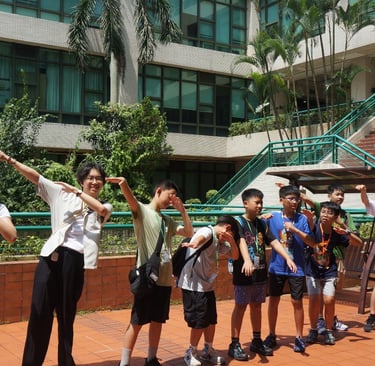
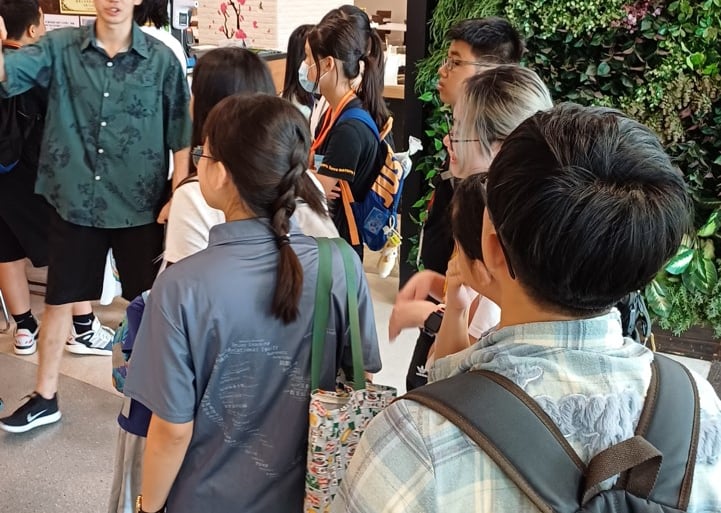
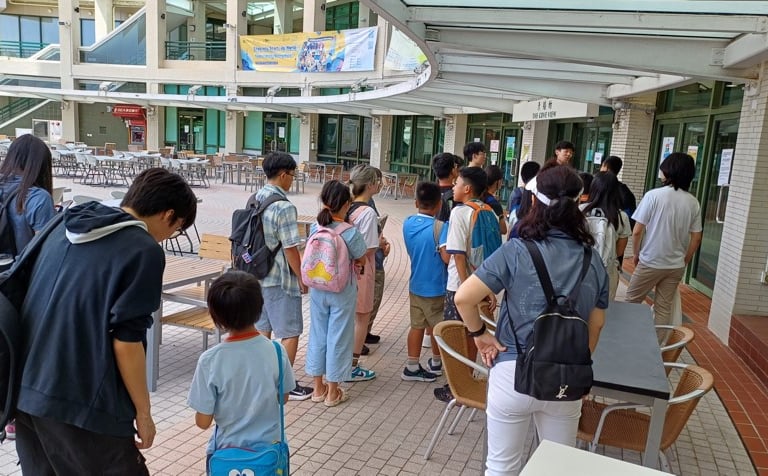
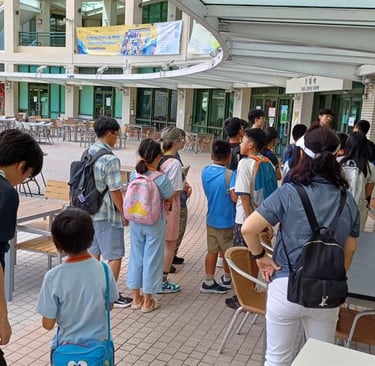
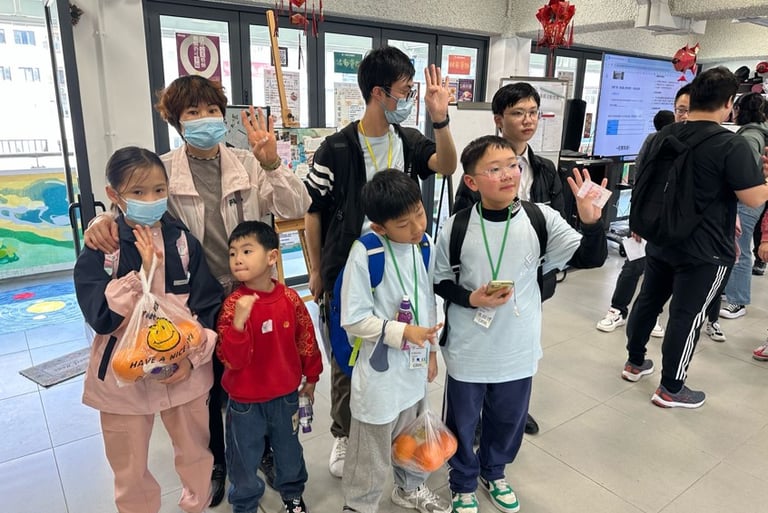
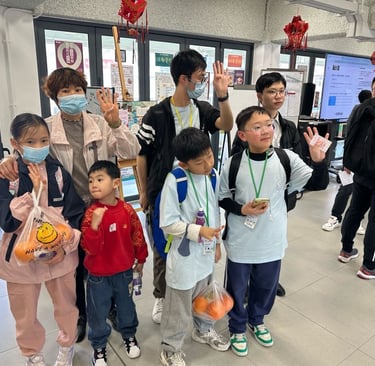
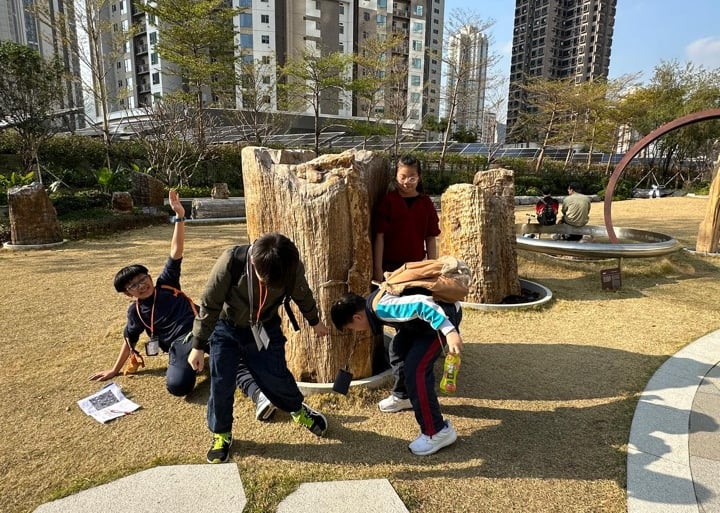
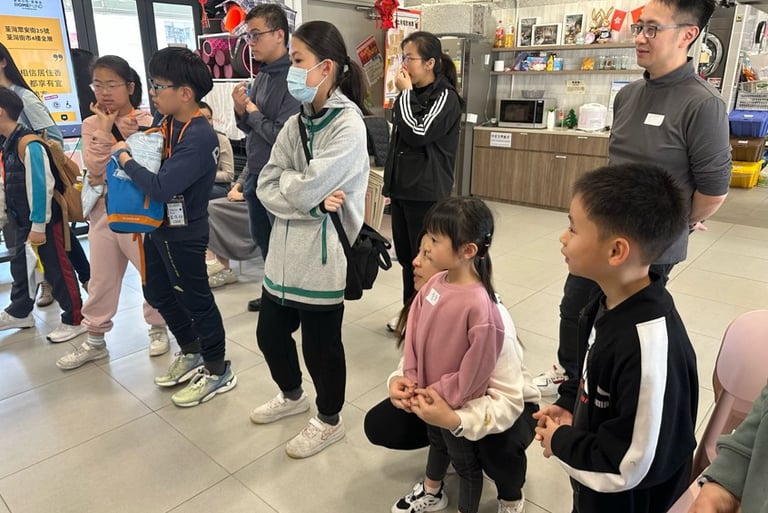
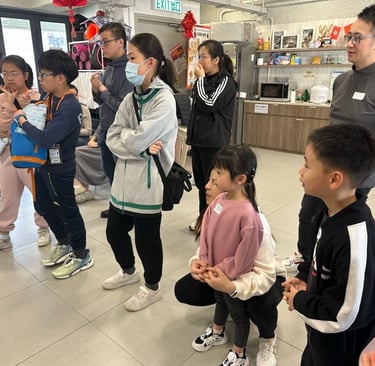
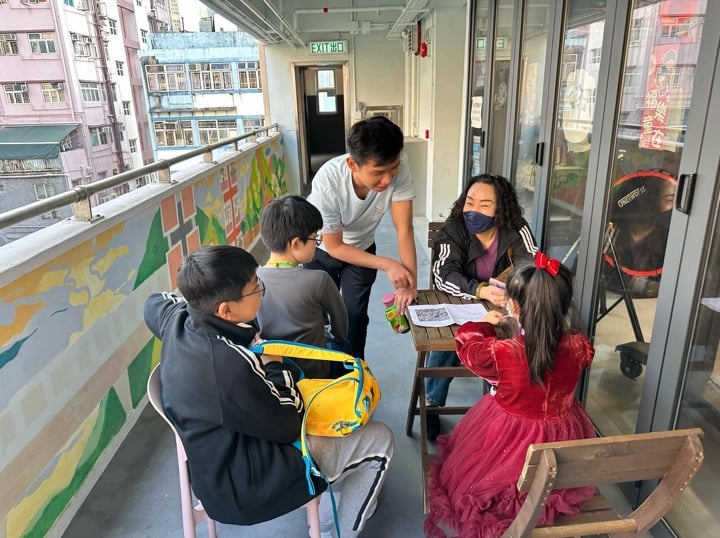
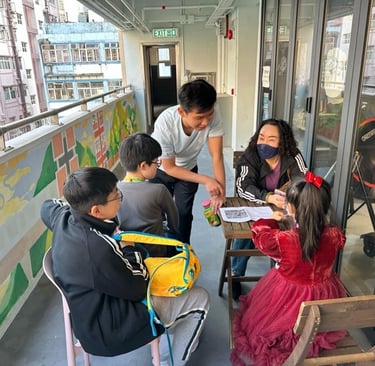
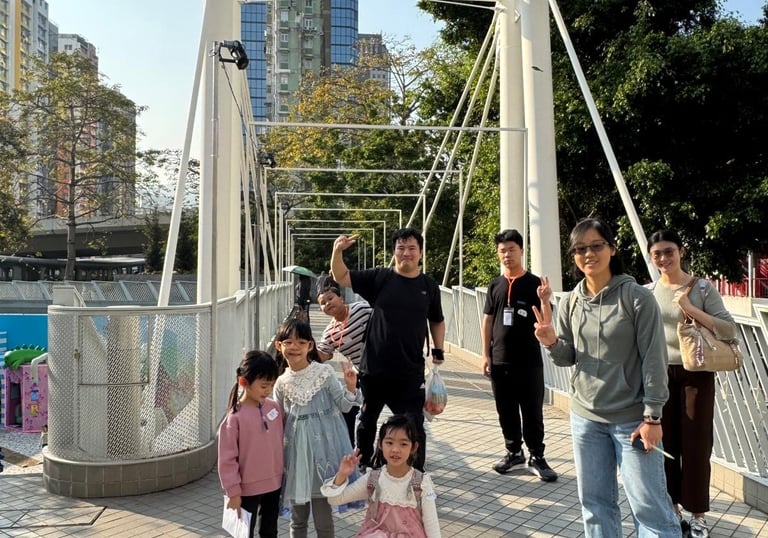
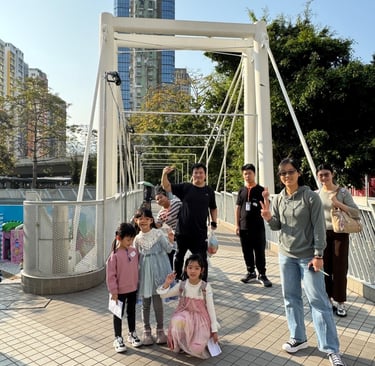
Conducted in collaboration with Caritas Tsuen Wan Extended Living Space, the Tsuen Wan City Hunt invited mentors and mentees to explore the community through a series of interactive, real-world challenges.
Working in teams, participants navigated different locations across Tsuen Wan while completing tasks that combined academic skills with community engagement. These included interviewing passersby about what they appreciated in the district, expressing gratitude to community workers such as cleaners and security staff, and sharing small acts of kindness like distributing fruit.
At the same time, mentees applied classroom knowledge in practical settings, such as designing a simple meal and calculating its cost at the market, completing language and observation challenges, and exploring science concepts such as water collection and solar energy. Physical activities and teamwork-based tasks were also incorporated to encourage collaboration and active participation.
Beyond completing tasks, the experience emphasized connection. Participants were encouraged to reflect on what it means to be a “good neighbor”, not just through actions, but through awareness, empathy, and interaction with others in the community.
The activity concluded with a guided reflection session, where mentors and mentees discussed what they learned, the challenges they faced, and how they worked together as a team. Through these shared experiences, mentees developed greater confidence, communication skills, and social awareness, while mentors supported them in making sense of their observations and experiences.
5. Life Planning Workshop (3/5)
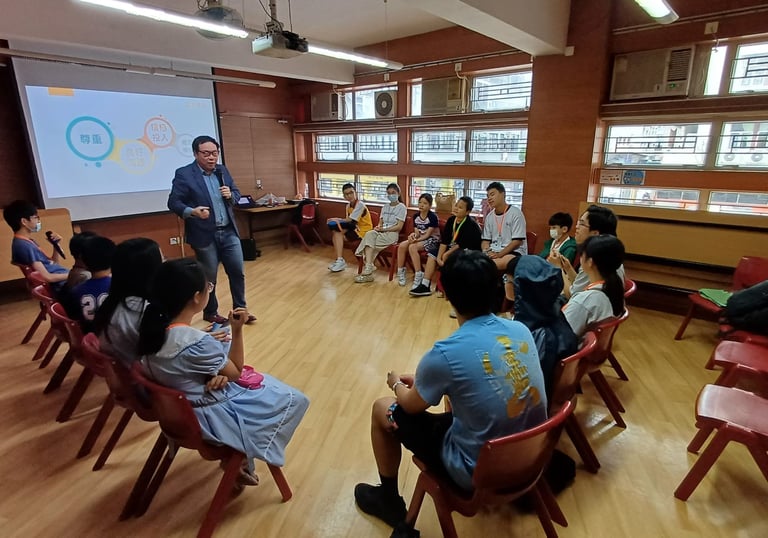
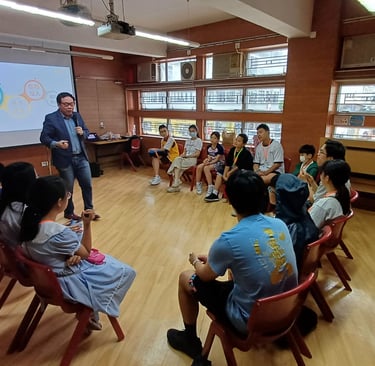
In May 2025, mentors and mentees participated in a life planning workshop titled “Dream Explorers: Creating the Future with Positivity”, facilitated by a professional trainer (Benson) from the Life Development Institute .
The workshop aimed to help students explore their dreams while cultivating a positive and proactive mindset towards their future. Through a series of interactive activities, mentees were encouraged to reflect on what their dreams meant to them and why they mattered, before breaking them down into concrete and achievable goals.
A key concept introduced was the distinction between the “why” (purpose) and the “what” (specific actions), guiding students to think more deeply about their aspirations and how to pursue them meaningfully.
The workshop also challenged common perceptions of life paths. Through discussion and media examples, participants explored the idea that life is not a fixed race with a single destination, but a journey with diverse possibilities and directions. This encouraged mentees to embrace flexibility and remain open to different opportunities.
Another important focus was emotional awareness and positive thinking. Through games and reflection exercises, mentees learned how focusing on negative thoughts can reinforce them, and how shifting attention towards positive intentions can shape their mindset and actions more constructively.
The session concluded with a sharing segment, where participants reflected on their learning and were encouraged to take active steps towards their goals while embracing both positive and negative emotions as part of their personal growth journey.
6. Closing Ceremony (28/6)
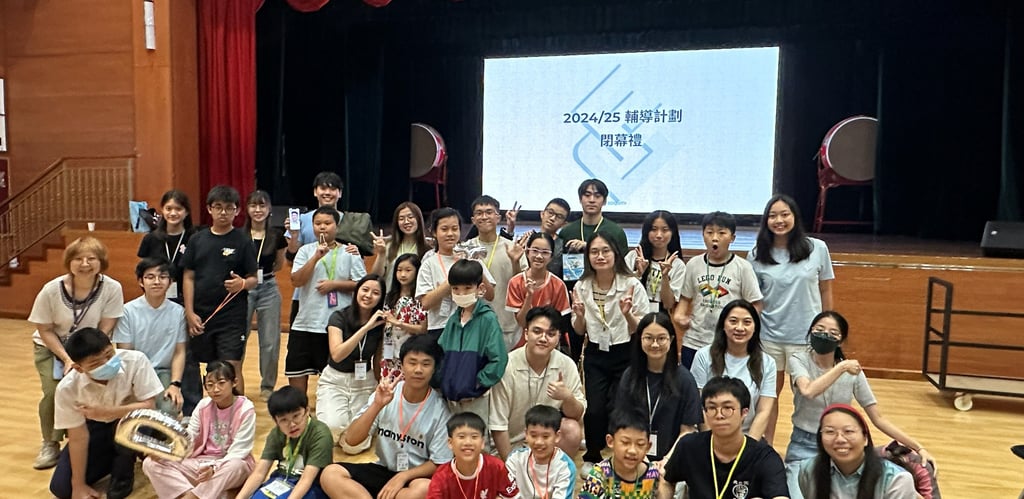
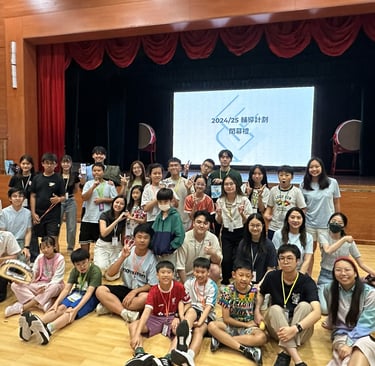
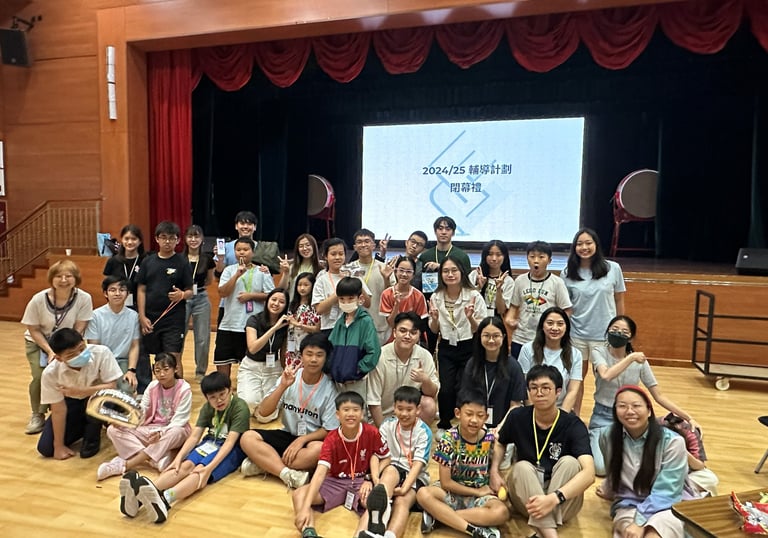
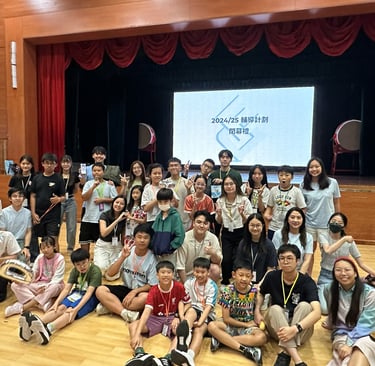
The 2024/25 Mentorship Program concluded with a closing ceremony that brought together mentors and mentees to celebrate their journey, reflect on their experiences, and recognize their growth over the past year.
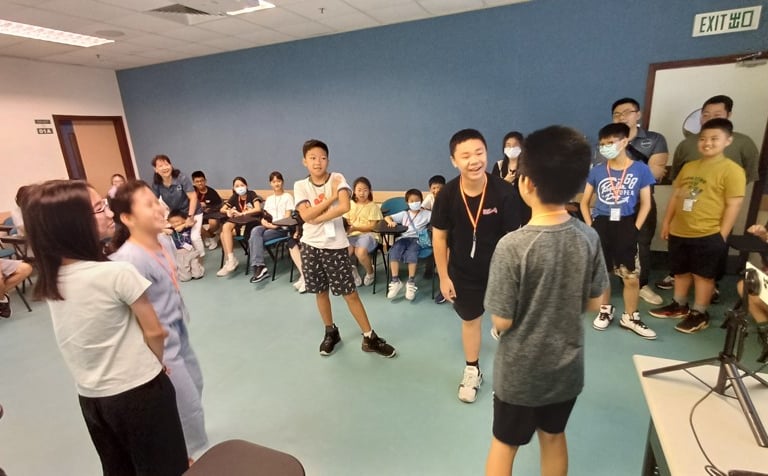
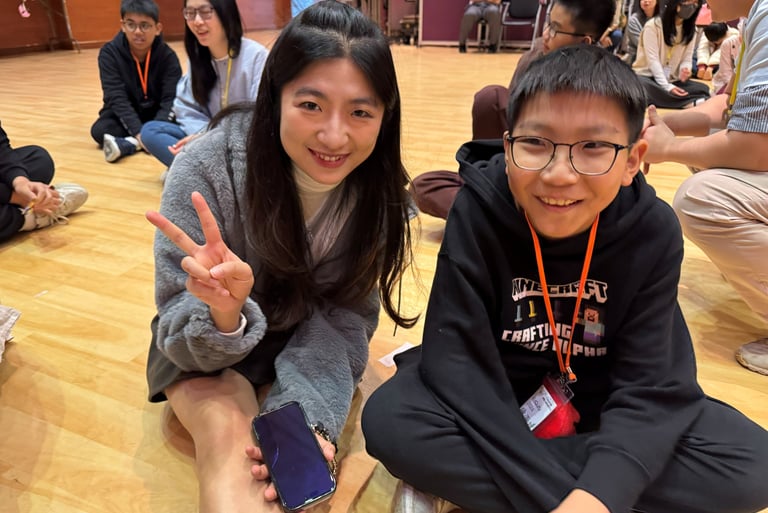
The session began with a recap of the program, followed by light-hearted ice-breaking activities that allowed participants to reconnect and celebrate the relationships they had built. These moments of interaction highlighted the strong bonds formed between mentors and mentees throughout the year.
A key highlight of the ceremony was the reflection segment. Through guided questions, participants looked back on how their relationships had evolved, what they had learned from one another, and the moments they valued most. They also reflected on personal growth, recognizing achievements, progress, and challenges overcome along the way.
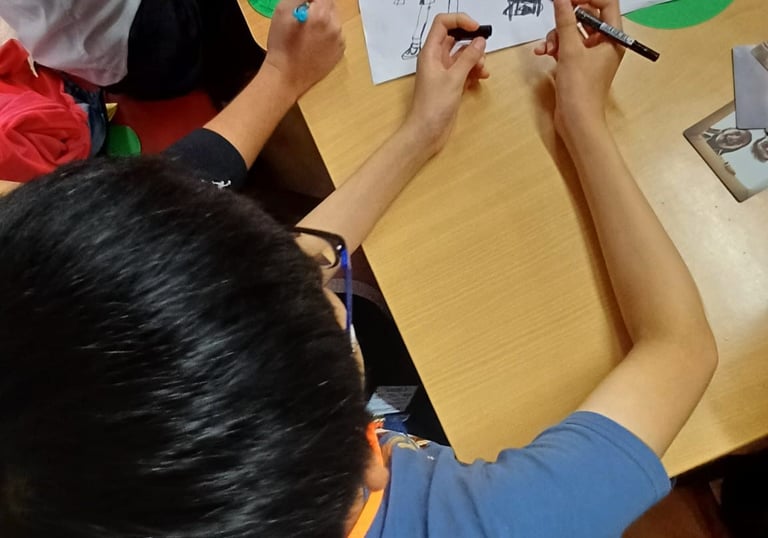
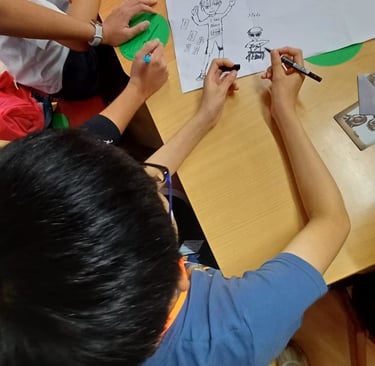
This reflection was deepened through a letter-writing and drawing activity, where mentors and mentees expressed appreciation, encouragement, and gratitude towards one another. These personal messages captured the emotional impact of the program and the meaningful connections formed.
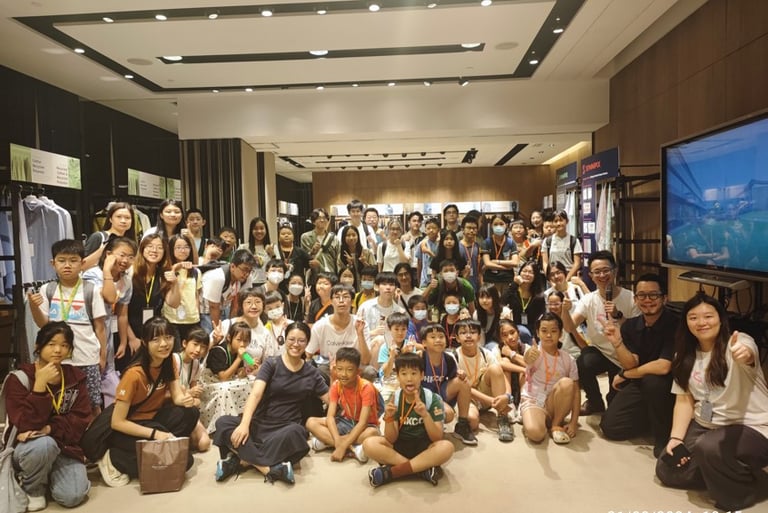
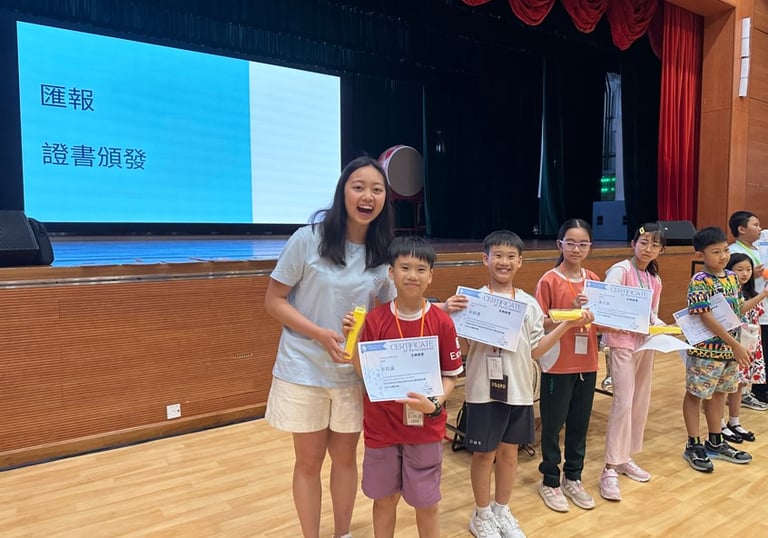
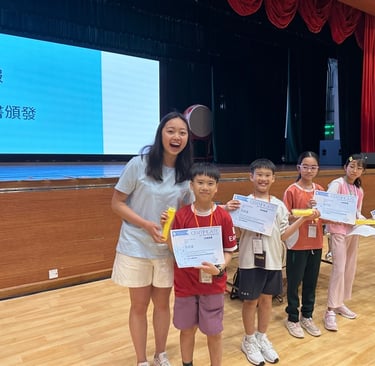
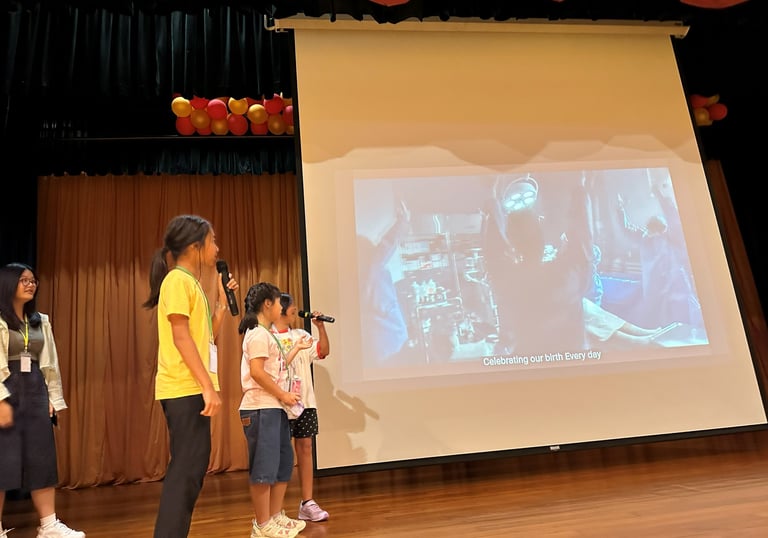
The ceremony concluded with group presentations, certificate presentations, and awards recognizing outstanding growth, creativity, and mentorship, including awards such as the “Most Improved Award” and “Outstanding Mentor Award.” A final group photo marked the end of the program, celebrating not only completion, but the relationships and experiences that will continue beyond it.
Conclusion
The 2024/25 Mentorship Program has been a meaningful journey of growth, connection, and discovery for both mentors and mentees. Through a diverse range of activities, from summer bonding sessions and community-based experiences like the Tsuen Wan City Hunt, to reflective workshops on mental health and life planning, participants were given opportunities to learn not only about the world around them, but also about themselves.
At the heart of the program lies the mentor-mentee relationship. Over time, these relationships evolved into spaces of trust, encouragement, and mutual learning. Mentees developed greater confidence, self-awareness, and a stronger sense of direction, while mentors deepened their empathy, communication skills, and sense of responsibility.
The closing ceremony was not just an end point, but a moment to reflect on these shared experiences of celebrating progress, expressing gratitude, and recognizing the impact of the journey. The reflections and messages exchanged between mentors and mentees serve as a reminder that the value of this program extends far beyond its duration.
Ultimately, the program reinforces a simple but powerful idea: growth happens through connection. As participants move forward, the lessons, relationships, and values built throughout the year will continue to guide them in their future paths.
info@hkedquity.org
+852 9829 7377
EdQuity Hong Kong Foundation Limited © 2026
Registered Charity IR File No. 91/19551
www.hkedquity.org is owned by