

2025 STEM Workshop Series
Program Details
WORKSHOPS
Public
4/26/20256 min read
Introduction
Held in collaboration with Funcation Hong Kong, the 2025 STEM Workshop Series brought together 20 students for an exciting journey through science, technology, and engineering. Students explored the human body, discovered the world of basic engineering, and learned the foundations of micro:bit coding across three interactive sessions, s
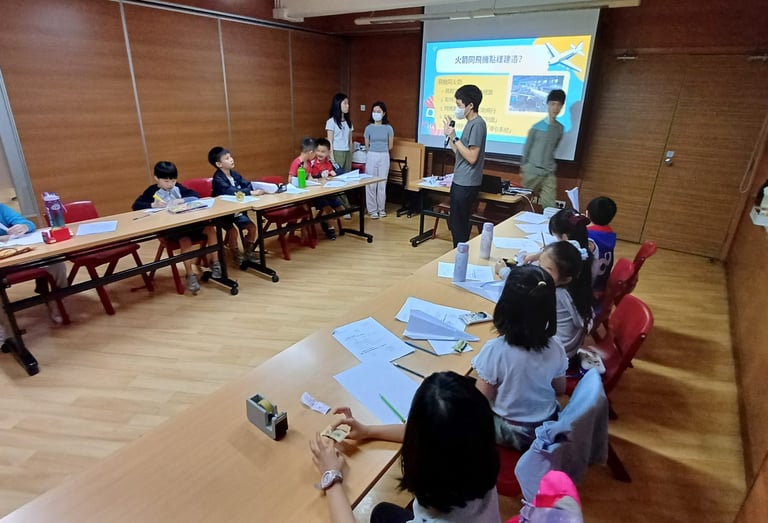
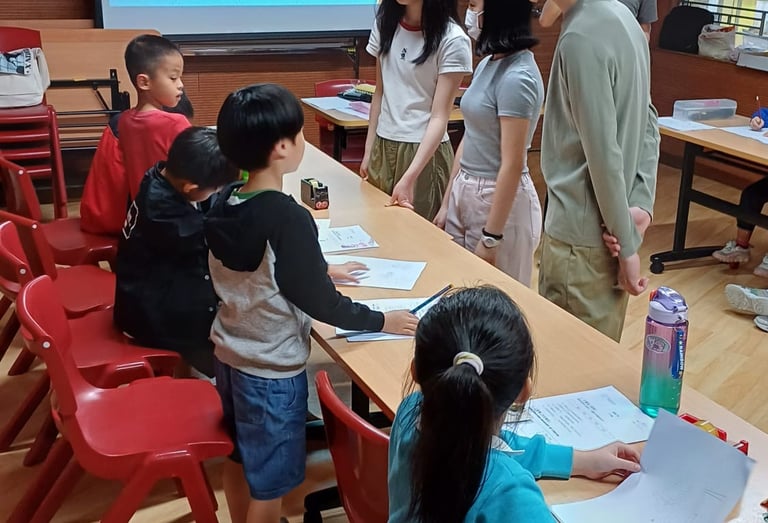
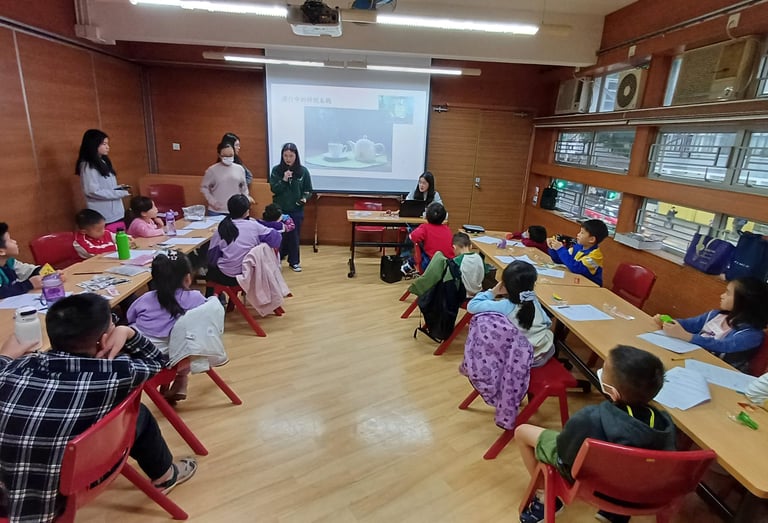
Each workshop was designed to make STEM learning active, accessible, and engaging. Through games, models, group challenges, and coding activities, students were encouraged to ask questions, think creatively, solve problems, and see how STEM concepts connect to everyday life.
Workshop 1: Exploring the Human Body (April 5, 2025)
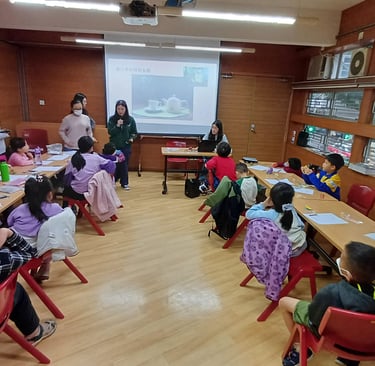
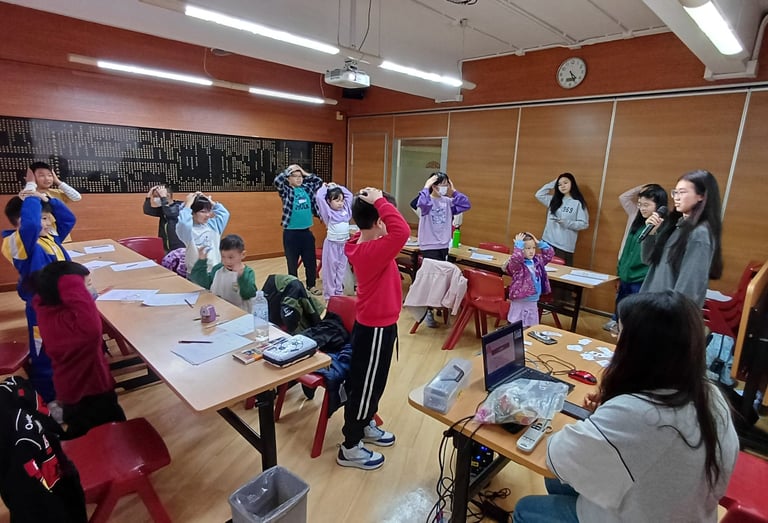
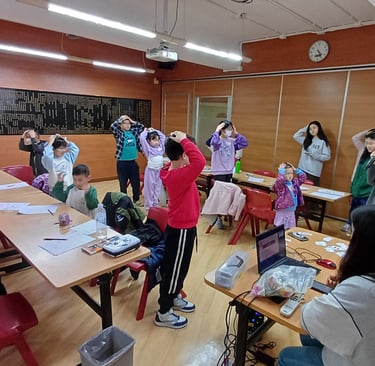
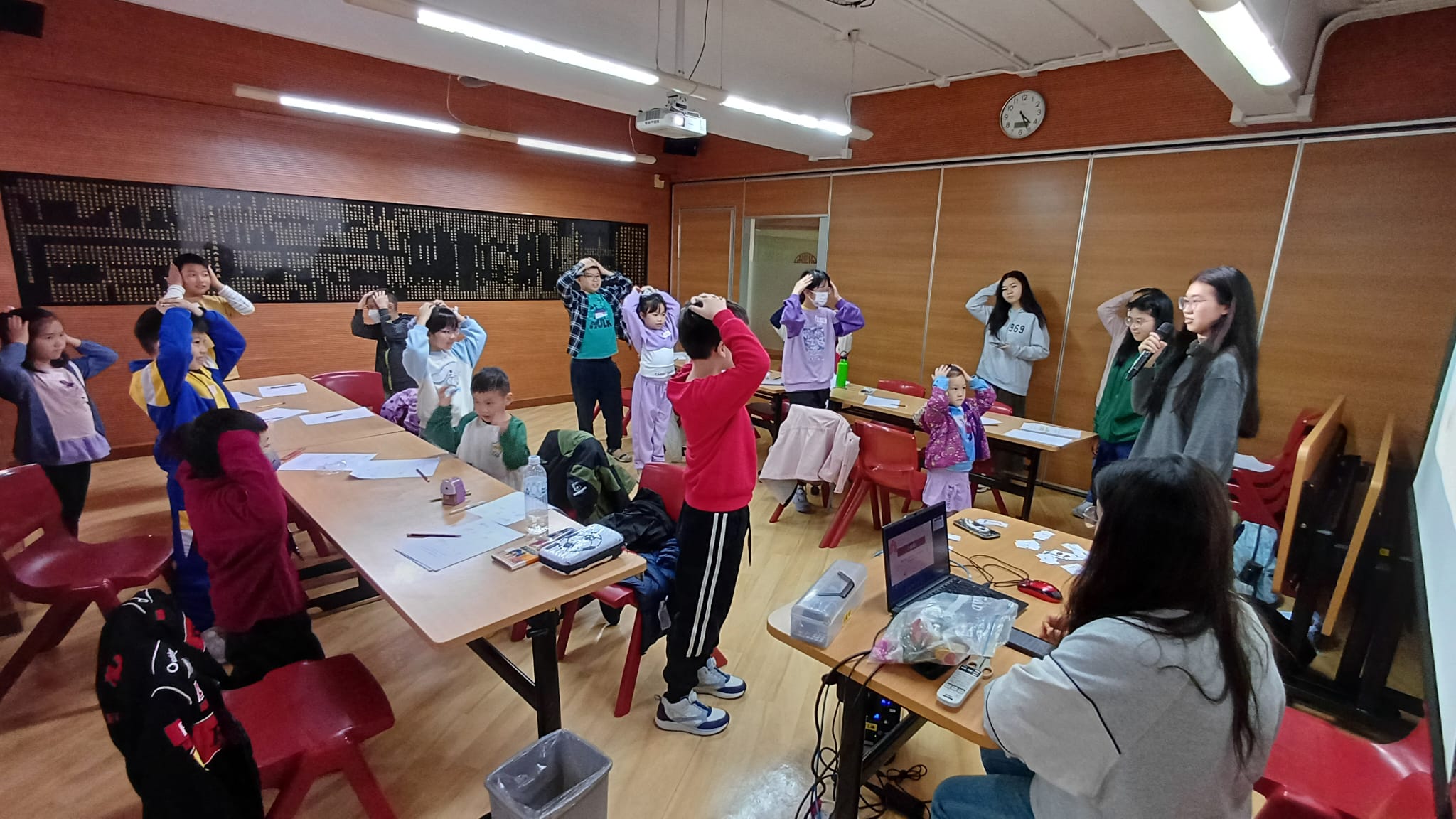
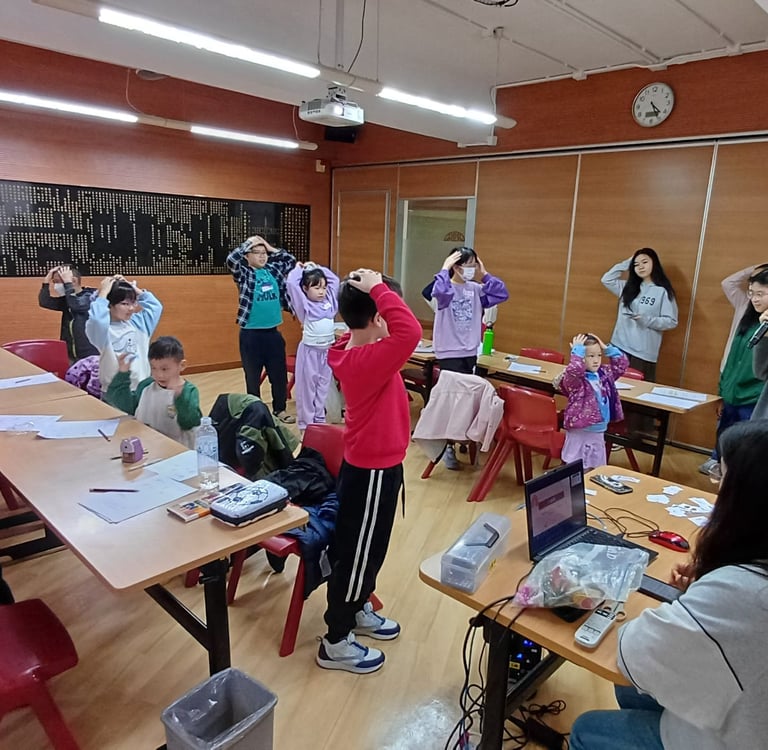
The first workshop introduced students to the amazing systems that keep the human body alive and functioning. The session began with a lively “Simon Says” icebreaker, where students identified different body parts through movement and play. This helped create an energetic atmosphere while introducing the topic in a fun and age-appropriate way.
Students then learned about several major body systems, including the muscular, skeletal, nervous, circulatory, urinary, and digestive systems. They discovered how muscles help us move, how bones provide structure and protect important organs, and how different systems work together to support daily life.
One of the highlights of the session was the Bone Relay Game, where students worked in teams identifying the location of different bones on the body. The activity brought excitement and friendly competition into the classroom while helping students strengthen their understanding of anatomy.
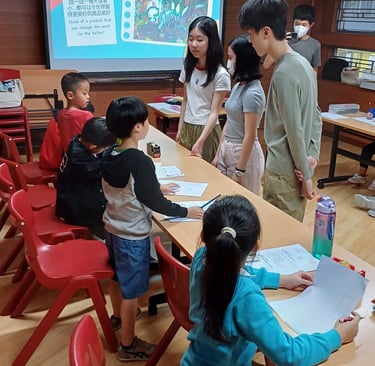
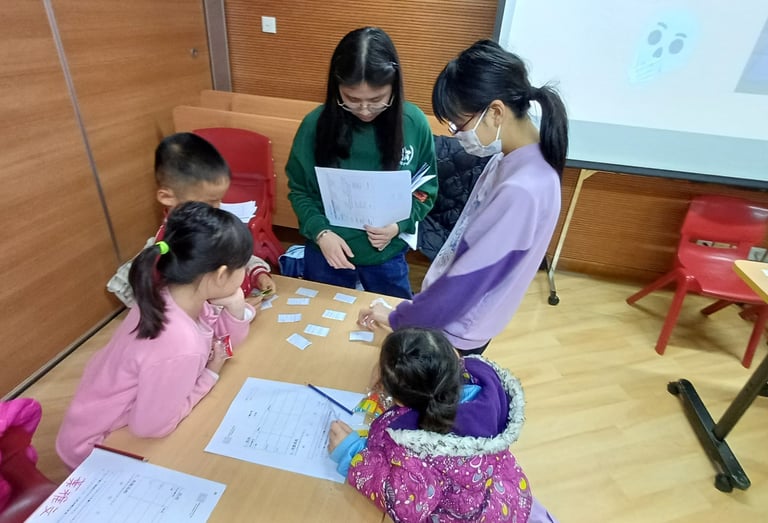
Students also participated in creative hands-on activities, including card-matching games, drawings of body systems, and building human body models using playdough. These activities helped turn abstract biological concepts into something students could see, touch, and understand.
By the end of the workshop, students had gained a deeper appreciation for how the human body works and how different systems cooperate to keep us healthy and active.
Workshop 2: Discovering the World of Engineering (April 12, 2025)
The second workshop introduced students to engineering as a way of solving real-world problems through creativity, science, and teamwork.
The session began with a Chinese Whispers icebreaker, where students passed along engineering-related phrases in a whisper chain. This activity encouraged communication and listening skills while introducing key ideas about engineering.
Students learned that engineers design solutions that improve the world around us, from buildings and bridges to machines, electronics, and new technologies. They were introduced to different fields of engineering, including civil, mechanical, and electrical engineering, and explored how each field contributes to everyday life.
A key focus of the workshop was the Engineering Design Process. Students learned how engineers identify problems, brainstorm ideas, create prototypes, test their designs, and make improvements. To apply these ideas, students worked in small groups to design their own inventions that could help improve the world. Their ideas ranged from environmental solutions to creative tools for daily life.
The workshop also included several hands-on challenges. Students built paper aeroplanes and tested which designs could fly the farthest, learning about forces such as lift and thrust. They also worked in teams to build bridges using simple materials such as Popsicle sticks, straws, and tape. After constructing their bridges, students tested how much weight each design could support using coins.
Through these activities, students experienced engineering not just as a subject, but as a process of imagining, building, testing, and improving. The workshop helped them see that problem-solving often requires both creativity and perseverance.
Workshop 3: Introduction to micro:bit Coding (April 26, 2025)
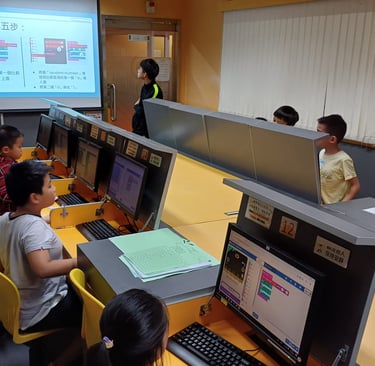
The final workshop introduced students to the basics of computer programming through micro:bit devices. The goal was to help students understand how coding works while allowing them to create simple programs with real-world applications.
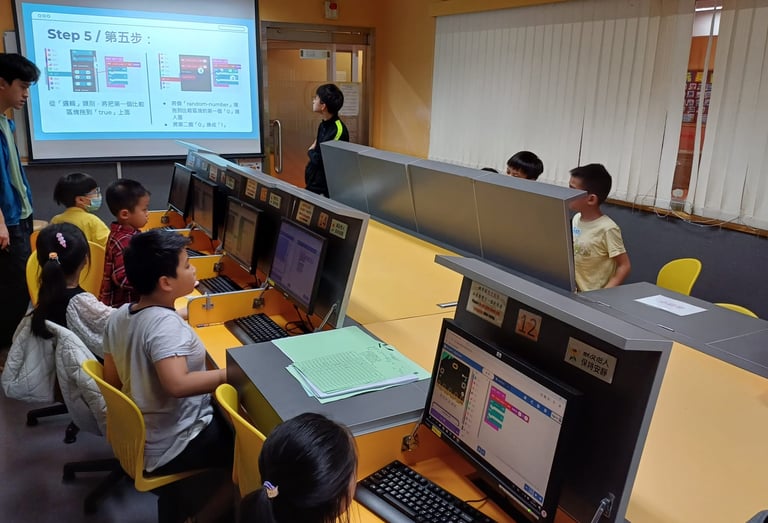
The session began with a discussion about computers and coding. Students shared what they already knew, then learned about block coding, a beginner-friendly way to build programs using visual instruction blocks. They were also introduced to the different components of the micro:bit, including its display and sensors.
Students then began creating their own programs. In the first activity, they designed digital name badges that displayed their names on the micro:bit screen. This gave them an immediate and encouraging introduction to how code can control a device.
Next, students programmed a step counter using the micro:bit’s motion sensors. By attaching the device to their wrists and moving around, they could see their steps being counted in real time, similar to how fitness trackers and smart watches work.
The workshop ended with a fun coding challenge: programming the micro:bit to play Rock, Paper, Scissors. Students used coding concepts such as random selection and conditional logic to create an interactive game that could be played with classmates or against the device.
By the end of the session, students had gained a basic understanding of coding and experienced how simple instructions can be used to create useful, interactive, and entertaining digital tools.
Conclusion
The 2025 STEM Workshop Series gave students the opportunity to explore science, engineering, and technology through active, hands-on learning. From building human body models and testing bridge designs to programming micro:bit devices, students learned by doing, experimenting, and collaborating with one another.
Beyond gaining STEM knowledge, students developed important skills such as curiosity, creativity, teamwork, communication, and problem-solving. These experiences helped them see that STEM is not only about facts and formulas, but also about asking questions, exploring possibilities, and designing solutions for the world around them.
At EdQuity, we believe that meaningful learning happens when students are encouraged to participate, imagine, and discover their own potential. Through workshops like these, we hope to inspire students to approach learning with confidence, curiosity, and a sense of possibility.
info@hkedquity.org
+852 9829 7377
EdQuity Hong Kong Foundation Limited © 2026
Registered Charity IR File No. 91/19551
www.hkedquity.org is owned by